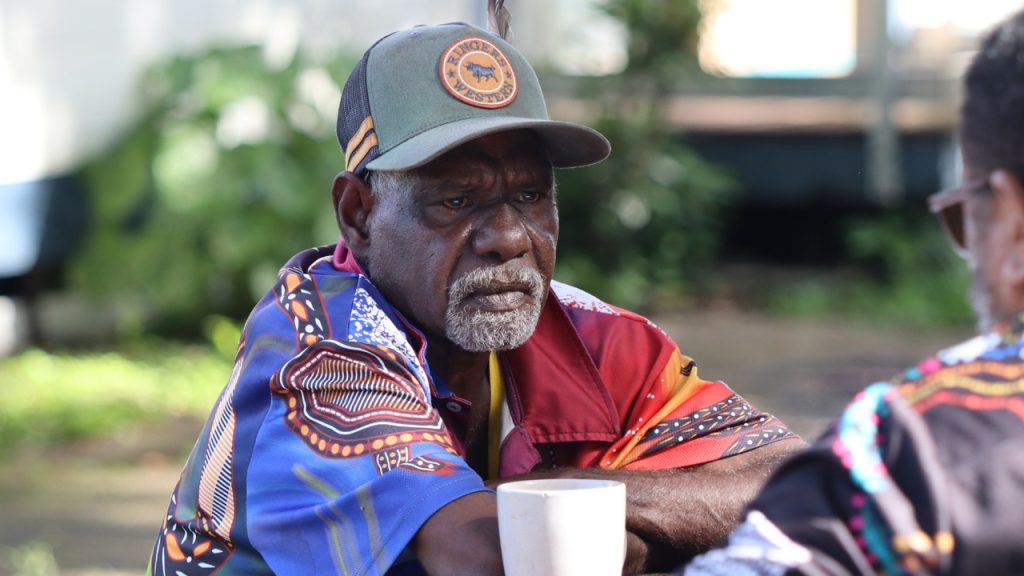
Cape York Employment recently spent time on the ground in Coen and Lockhart River, meeting with community members to talk about the future of local jobs.
The consultations were led by Cape York Employment team members Audrey Deemal and Kere Geno as part of preparations for the new Remote Australia Employment Service, known as RAES.
The conversations primarily focused on a simple question. What would meaningful employment opportunities look like for local people?
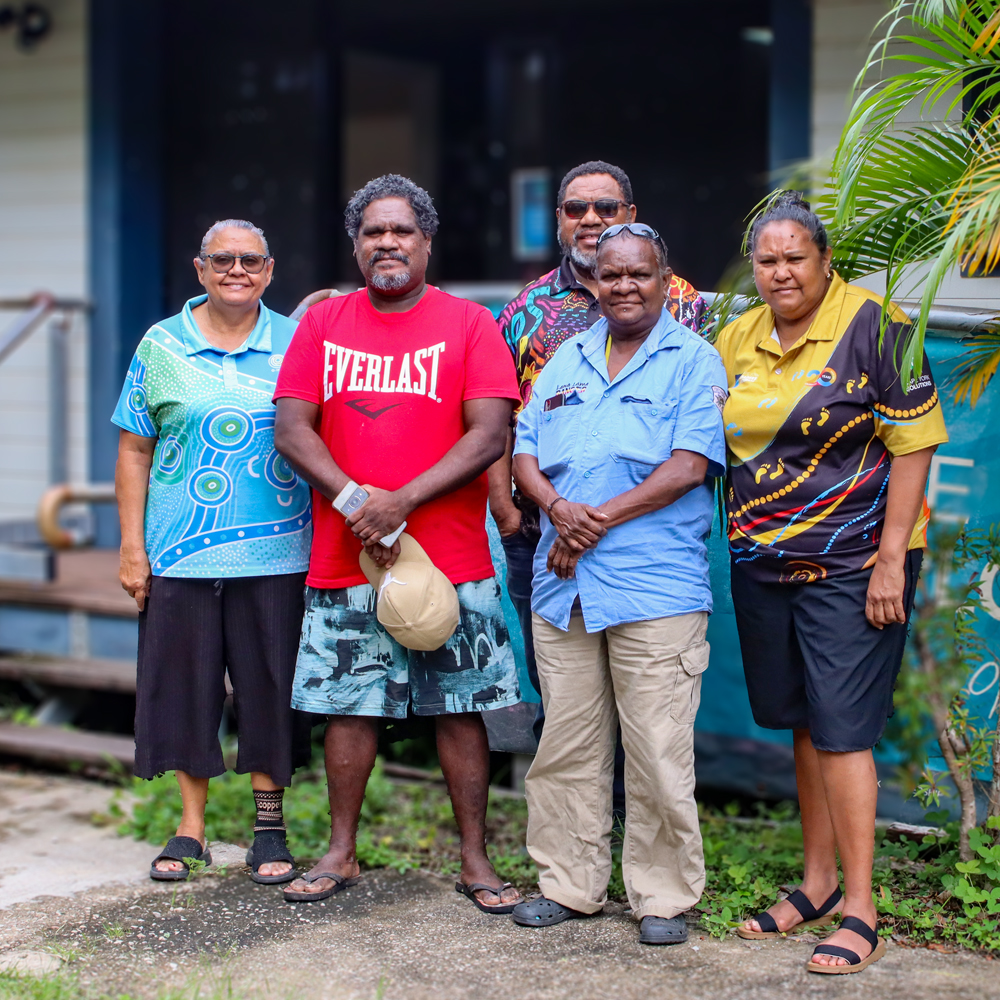
RAES will replace the former Community Development Program (CDP). For many communities across remote Australia, the previous system often focused on activity requirements rather than genuine employment pathways. In Cape York, however, Cape York Employment demonstrated a different approach during CDP by listening closely to local people and supporting the creation of jobs the community wanted and needed, an approach that led to 42 new local jobs. That success helped inform the design of RAES, which aims to build on these lessons by shifting the focus towards real jobs, skills development and stronger community involvement in how employment programs are delivered.
Audrey Deemal said the consultations were about listening first.
Community voices are important in shaping what employment programs should look like locally,” she said. “We learnt that through CDP. People know what opportunities exist in their communities and what support is needed to help them move into real jobs.”
Audrey Deemal
Across both Coen and Lockhart River, four key themes emerged.
The first was the need for real local job creation. Community members spoke about the importance of moving people from income support into genuine employment opportunities that exist within their own communities.
The second theme was the importance of community leadership. People want employment programs that are planned with the community and led locally, reflecting the priorities, strengths and opportunities of each place.
The third was that any activity requirements must be culturally appropriate and clearly connected to paid work.
The fourth was the need for more training opportunities and activities that engage young people. Community members spoke about the importance of keeping young people involved in positive activities that build skills and create pathways into employment.
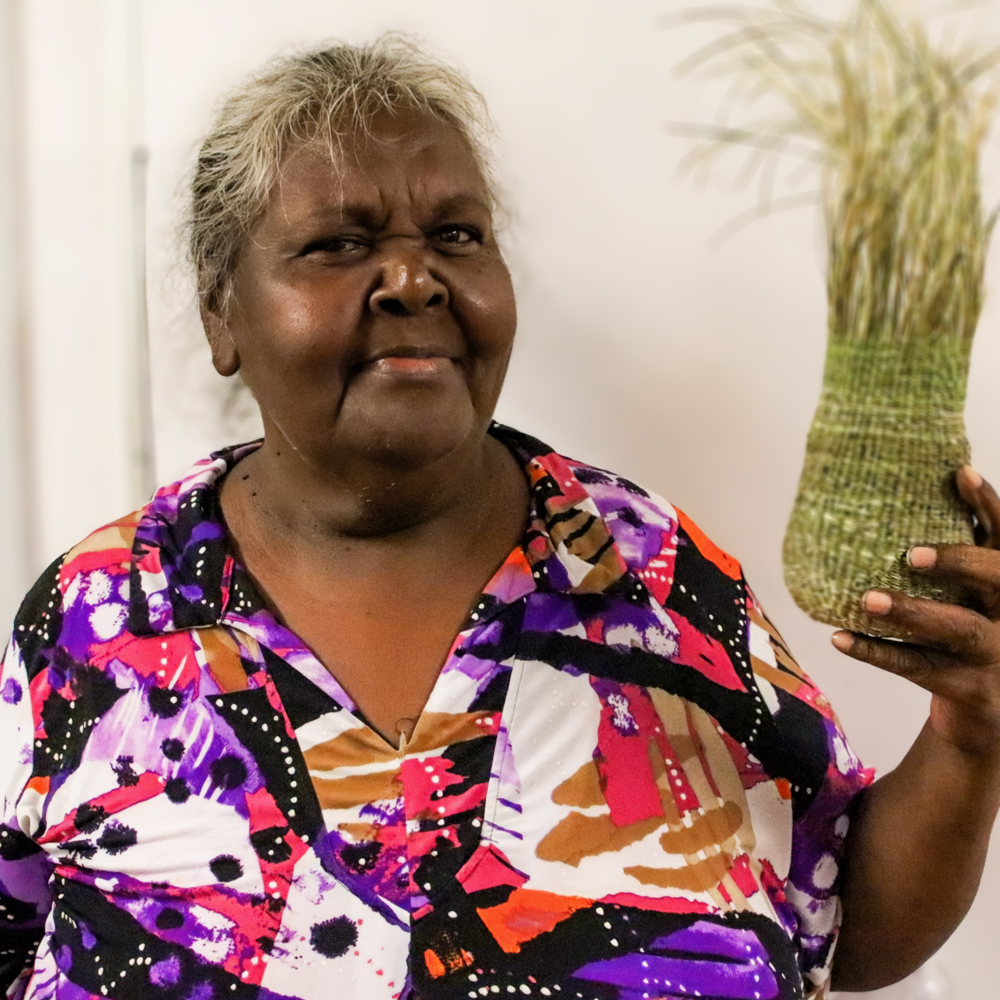
Beverly Pascoe, Chairperson of the Kuuku Ya’u Land and Sea Rangers and Director of the Mungkuma Land Trust, said,
“It would be great to see training opportunities for community members to gain machinery and Coxswain tickets.”
While Dorothy Hobson, Chair of Puuya Foundation, added,
“We need proper training for proper jobs, not training for nothing.”
These early conversations are the first step in shaping how RAES will work in these two Cape York communities.
For Cape York Employment, the consultations are part of a broader effort to support pathways from welfare into work while ensuring communities help guide the process.
For RAES to deliver real change, it’s clear that it will need to be shaped by community voices.
FOR THE LOVE OF OUR CHILDREN
Please consider making a tax-deductible donation to Cape York Partnership before 30 June. Your donation will create real opportunities for First Nations families to take responsibility and build a stronger future.