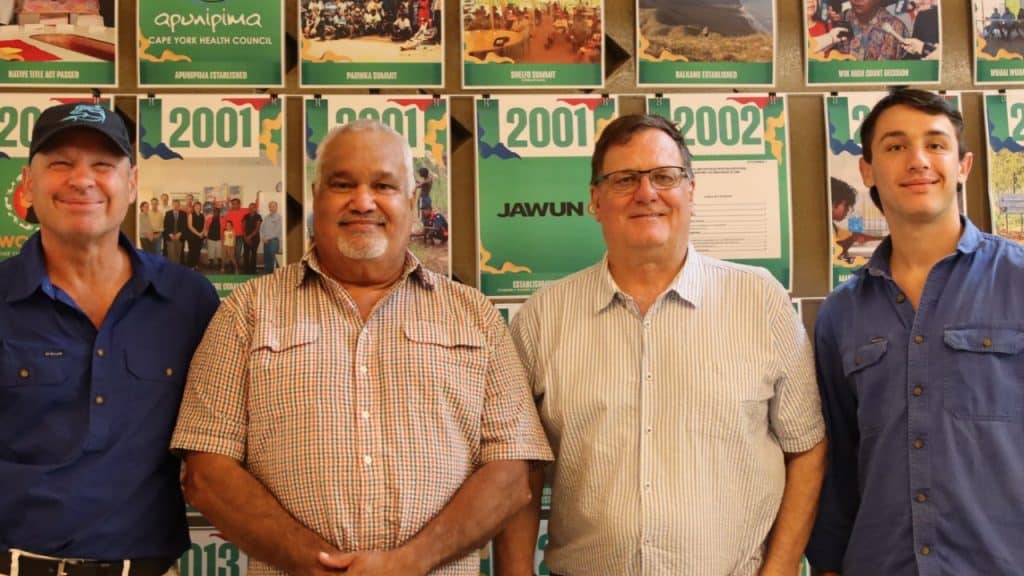
A proposed 50/50 carbon credit-sharing arrangement between Wik Traditional Owners and a Cape York pastoralist offers an encouraging example of what can be achieved when people come together with a shared commitment to Country, fairness and future generations.
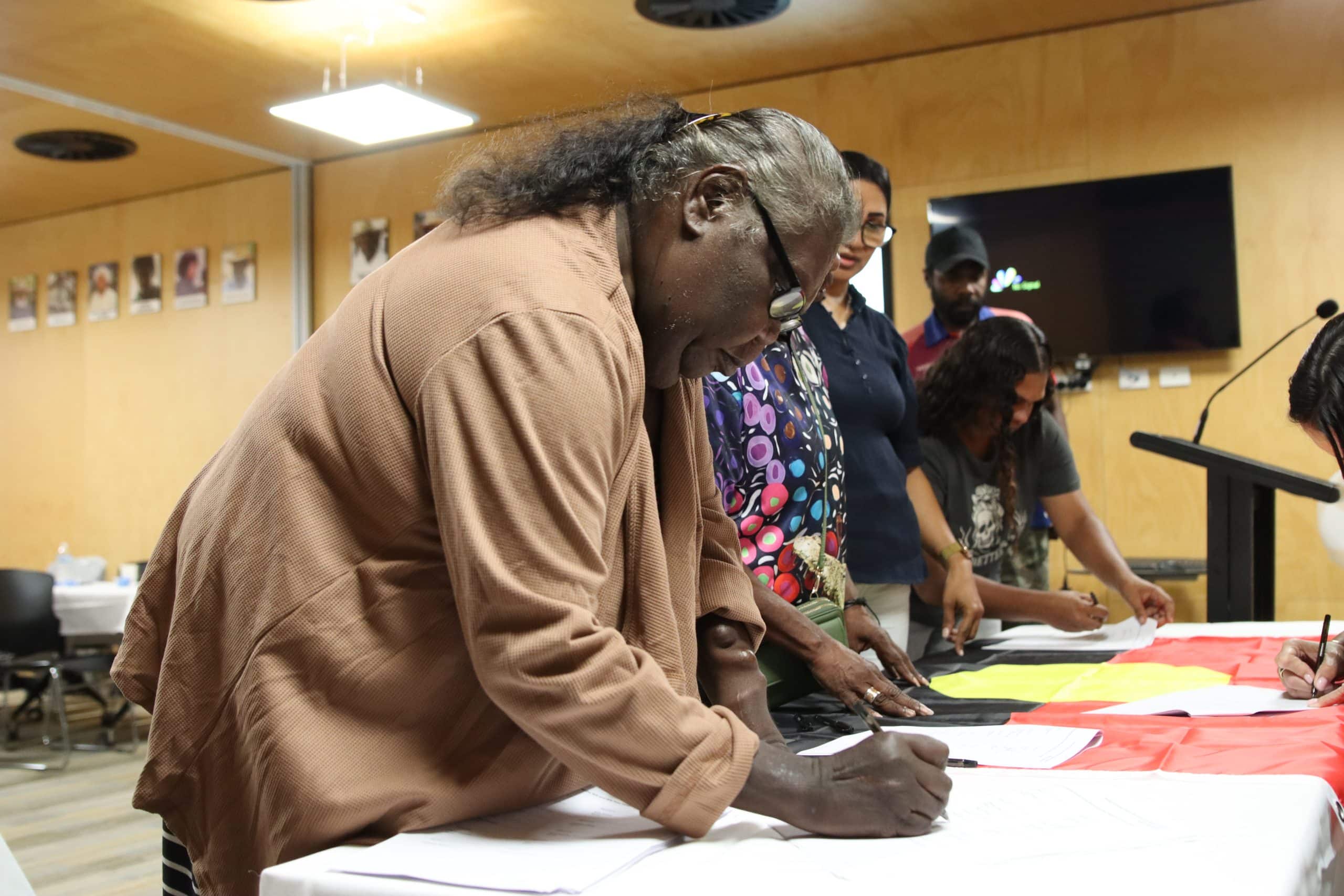
A proposal to equally share carbon credits generated through savanna fire management at Strathburn Station has taken an important step forward, with the signing of a Memorandum of Understanding in Cairns on 30 June 2026.
Cape York Institute for Policy and Leadership (CYIPL) was privileged to facilitate the signing of the Heads of Agreement in Cairns, helping mark an important milestone in a partnership driven by the people and organisations directly involved.
Driven by the initiative of Gerhardt Pearson and Balkanu Cape York Development Corporation, the determination of Wik Traditional Owners connected to Strathburn Station and pastoral leaseholder Rory Robertson's willingness to share carbon credits equally, the proposal offers an important opportunity to explore a different kind of economic partnership on Cape York.
For CYIPL, facilitating the signing was an opportunity to support and celebrate the collaboration, relationships and leadership that make agreements of this significance possible.
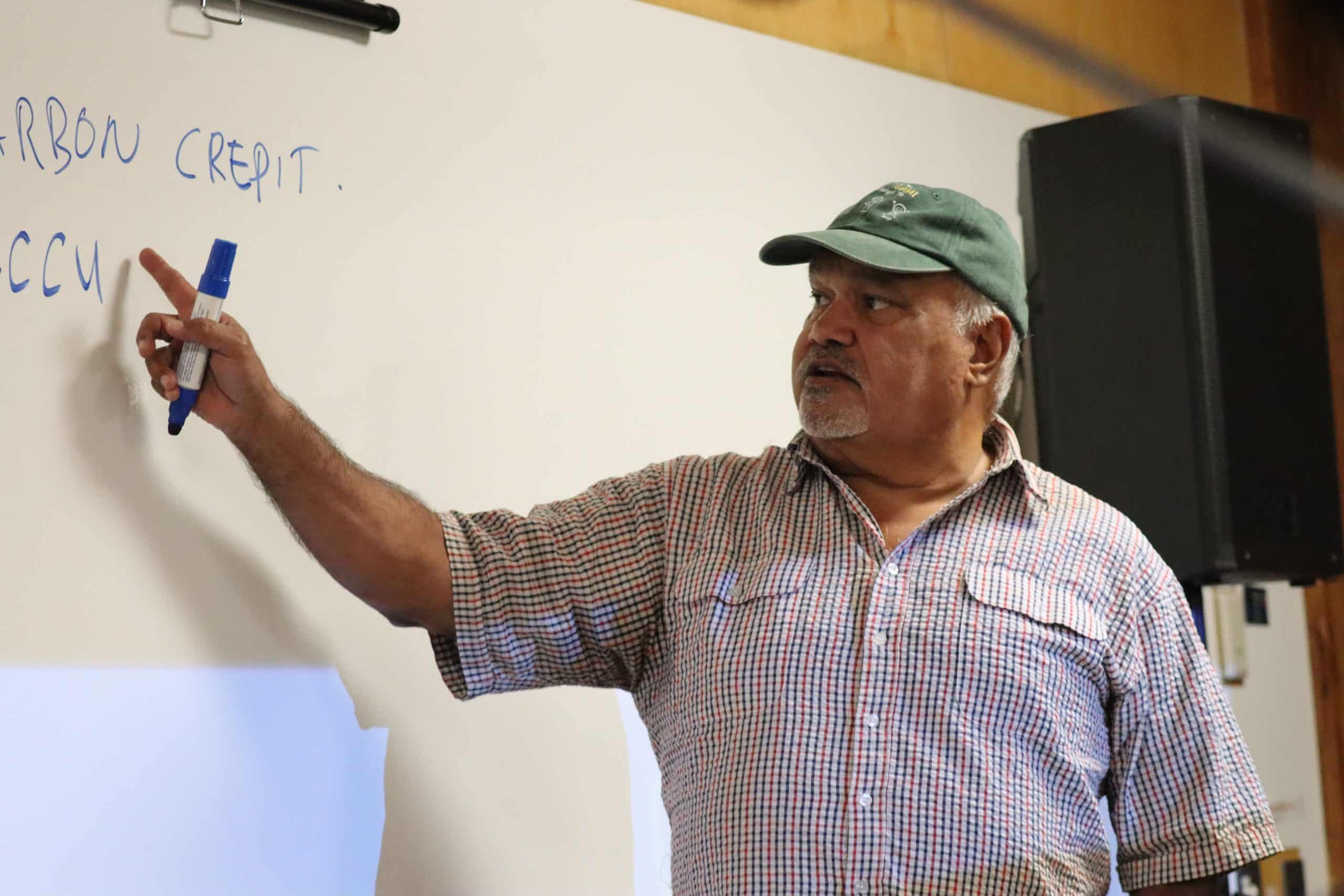
At its heart is a recognition that Traditional Owners and pastoralists each bring important contributions to the management of Country and that emerging economic opportunities should reflect a fair partnership between them.
The proposal would see profits from a planned 25-year savanna fire management carbon project shared equally between Traditional Owners and the pastoralist, creating opportunities for economic participation alongside the management and care of Country.
Spanning approximately 246,000 hectares in central Cape York, Strathburn Station is home to extensive wetlands, woodland and savanna landscapes.
The proposed project would use savanna fire management practices, including planned early dry-season burning, to reduce the extent and intensity of late dry-season fires, with opportunities to generate carbon credits through eligible emissions reductions and carbon sequestration.
For the Traditional Owners involved, the significance of the agreement extends well beyond its potential financial benefits.
Traditional Owner Shiquea Creek spoke publicly about signing the agreement in honour of her grandmother, the late Doris Harold, reflecting the deep personal and intergenerational importance of the occasion.
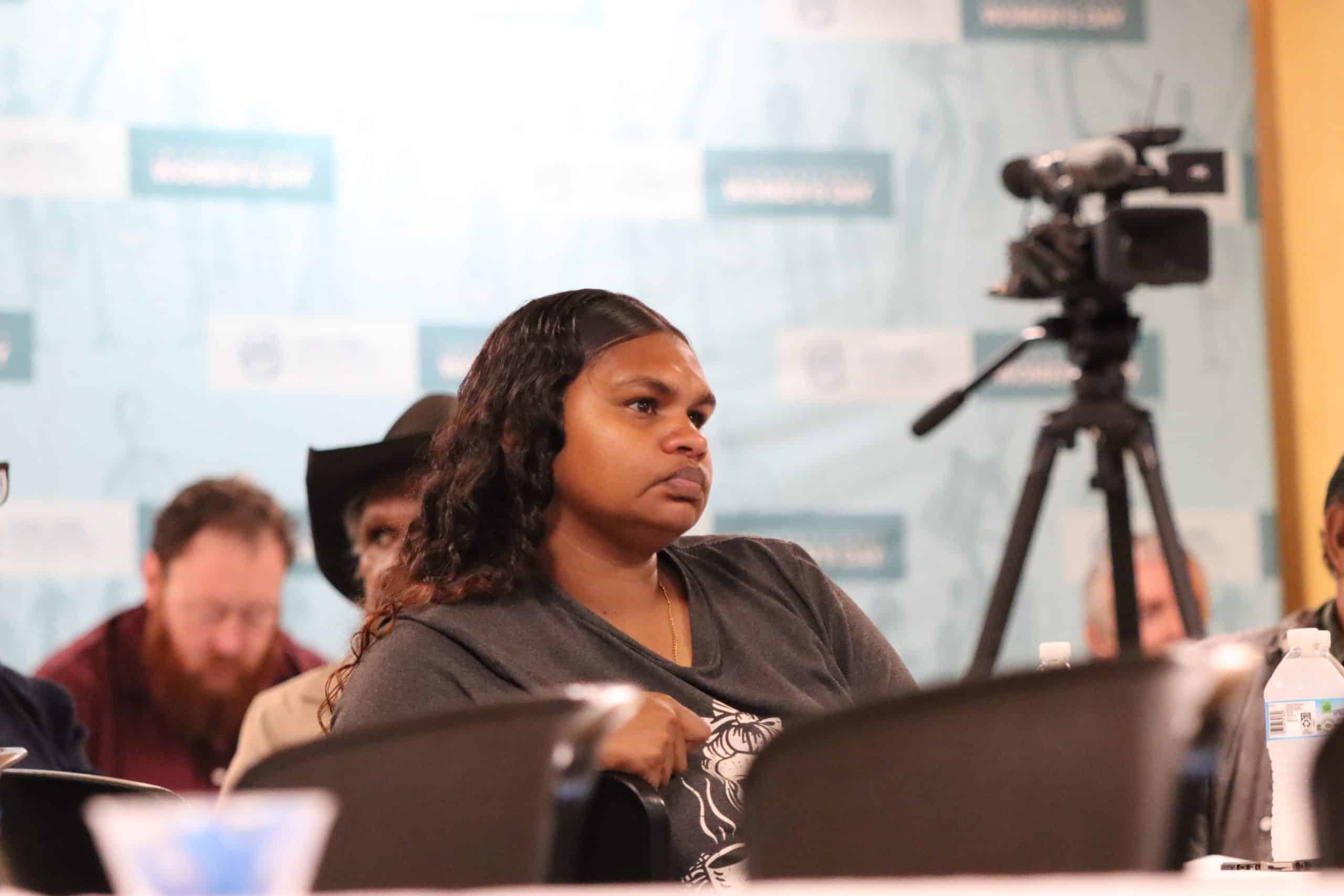
Her words reminded us that opportunities like Strathburn are not simply about carbon credits or commercial arrangements. They also reflect the connection between generations, the responsibilities people carry for Country, and the opportunities they hope to create for their children and grandchildren.
Robertson has similarly expressed his hope that a fair carbon arrangement could help create opportunities for the children and families in remote Cape York communities.
The signing brought together Traditional Owners, representatives of Ngan Aak-Kunch Aboriginal Corporation (the Wik Prescribed Body Corporate), Balkanu and Robertson, following years of discussions and relationship building.
The agreement provides a foundation for further discussions, including consideration of a formal Carbon Indigenous Land Use Agreement. Any final arrangement will require further negotiations, appropriate approvals and the consent of Traditional Owners.
“Cape York Institute was privileged to facilitate the signing and witness what was a significant moment for everyone involved,” CYIPL Head of Strategy and Partnerships Jim Davis said.
The real credit belongs to Gerhardt Pearson and the Balkanu team, the Traditional Owners connected to Strathburn and Rory Robertson. Their leadership, determination and willingness to find common ground have brought this opportunity to life.
CYIPL Head of Partnerships Jim Davis
“What encourages me most is the spirit in which this has been approached. There is still work to do and important decisions to make. But Strathburn gives us a glimpse of what might be possible when people come together with respect, recognise each other's interests and look beyond today to the opportunities they can create for future generations.”
While further negotiations and formal approvals are required, the signing represents an encouraging milestone for everyone involved.
Each carbon opportunity across Cape York must be considered on its own merits, reflecting the rights, interests and aspirations of Traditional Owners. Strathburn nevertheless offers an important example of what can emerge when people come together with mutual respect, recognise each other's contributions and work towards opportunities that benefit future generations.
FOR THE LOVE OF OUR CHILDREN
Please consider making a tax-deductible donation to Cape York Partnership before 30 June. Your donation will create real opportunities for First Nations families to take responsibility and build a stronger future.