Supporting strong sleep, strong minds and wellbeing
A good night’s sleep can shape how young people feel, think and move through their day. But sleep is also deeply connected to family, culture, community, Country, as well as to social and emotional wellbeing.
That understanding sits at the heart of Let’s Yarn About Sleep, a culturally safe, community-led sleep health program for First Nations young people aged 12–18.
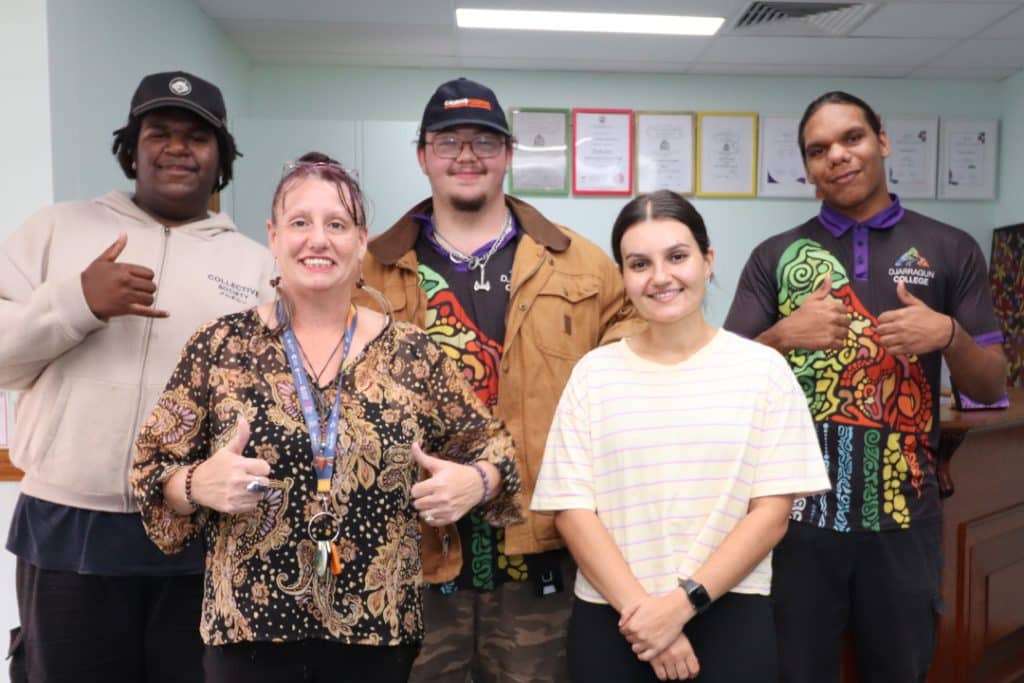
Ngak Min Health and the University of the Sunshine Coast (UniSC) are working together to deliver the project with Djarragun College students, creating a supportive space where young people can learn about sleep, share their experiences and develop practical skills they can apply at home.
The program is bringing together cultural knowledge with Indigenous and Western sleep science. Rather than simply telling young people they need to ‘get more sleep’, it’s encouraging conversation, connection and learning together.
UniSC Sleep Coach Kellee said those conversations are more meaningful when they begin with the young person and their own experiences.
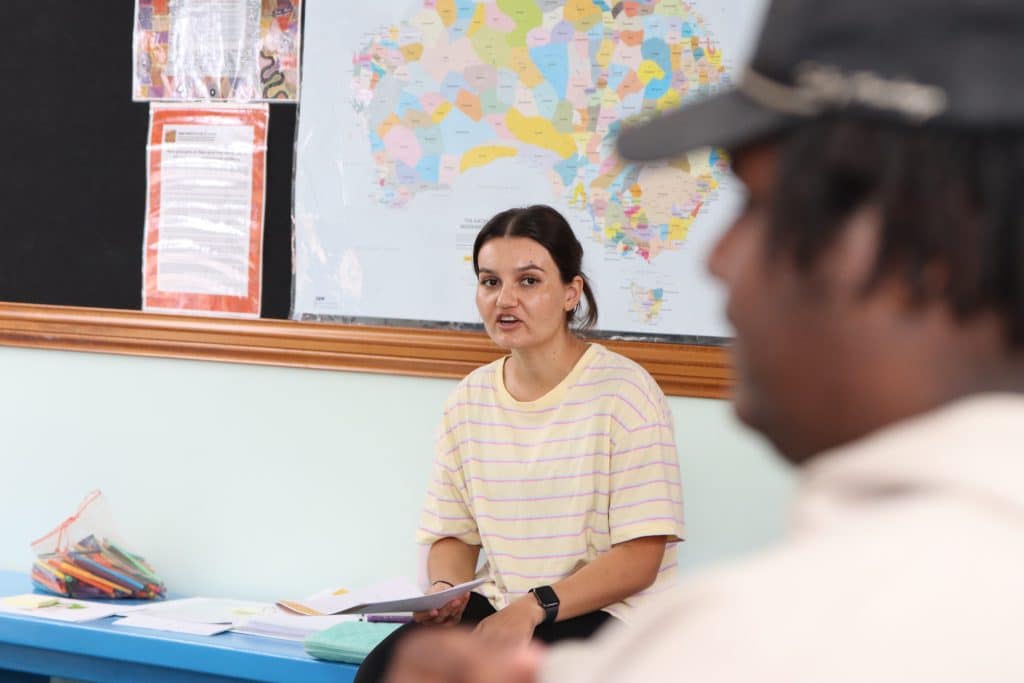
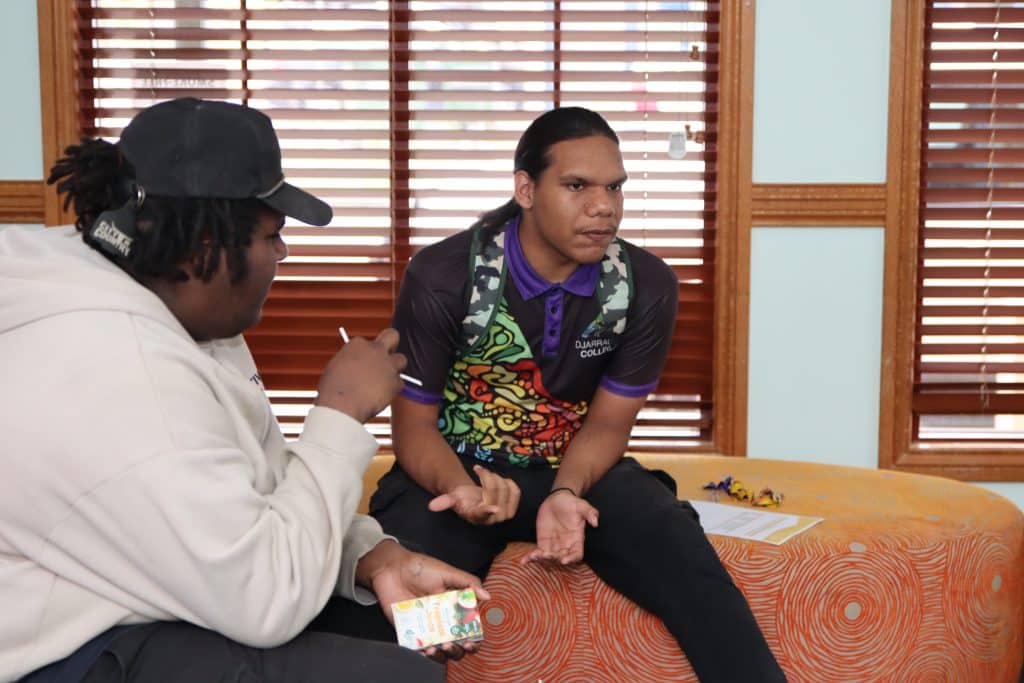
“It creates space for young people to share what sleep means to them, what might make sleep easier or harder, and what changes could actually work in their lives,” Kellee said.
Ngak Min Health’s Social, Emotional and Wellbeing Counsellor Anne-Marie said that taking time to understand what is happening in a young person’s life is an important part of the approach.
“I believe these conversations reflect deep, holistic and spiritual connections. Simply telling a young person they must sleep can often be ignored if we are not listening to what is happening for that person. Their lived experiences and cultural values can be overlooked, making the advice alienating and ineffective.
“Sleep holds deep spiritual and cultural value through dreaming. Dreaming can provide a connection with ancestors and guidance, as well as creative inspiration for art, songs, dance and healing.
“This empowers young people to acknowledge their sleep and improve their health. I believe this can also create lasting positive change,” Anne-Marie said.
Sessions are led by trained First Nations facilitators, known as Sleep Coaches, and include interactive group activities exploring sleep, health and wellbeing.
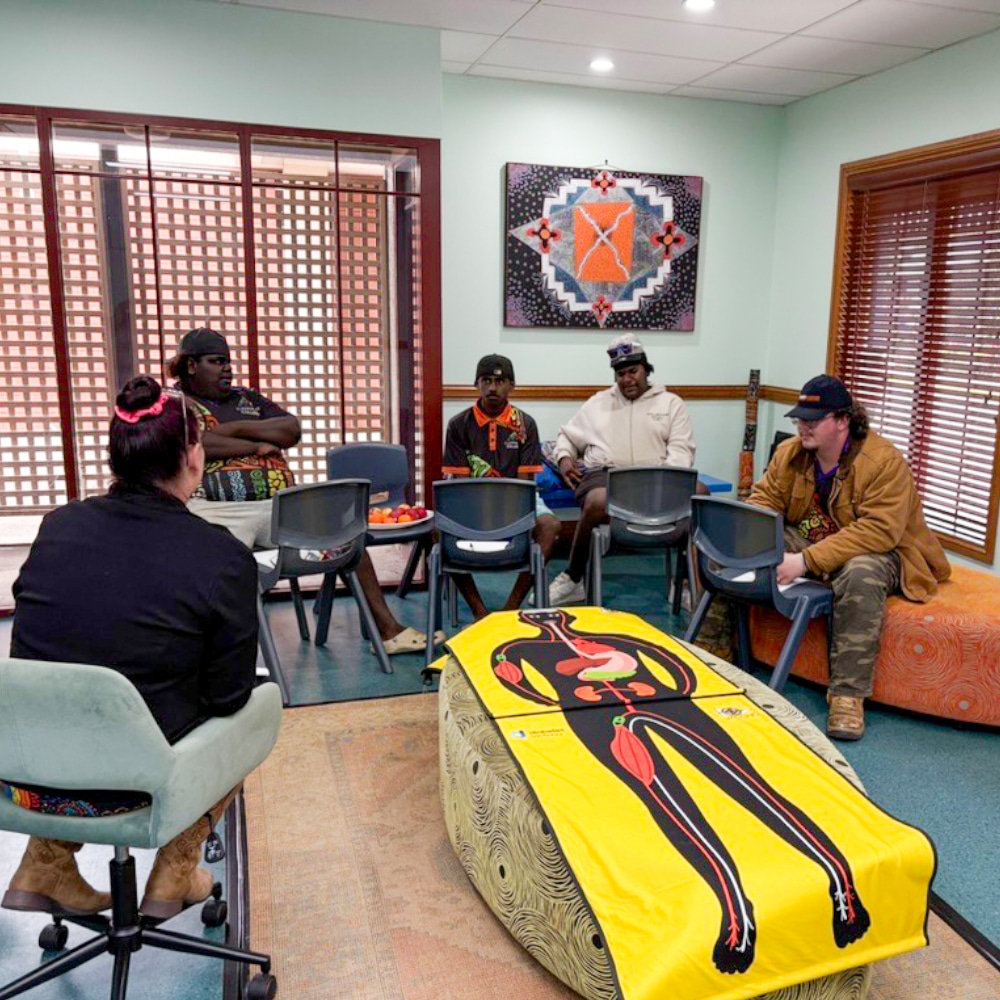
Over five sessions, students are learning what sleep is and why it matters, exploring the links between sleep and physical and mental health, and examining ways to develop healthy sleep routines and manage thoughts and worries.
The program is also creating opportunities to learn from Elders about sleep, wellbeing and connection with Country, before introducing relaxation and sleep-listening practices designed to support strong minds and wellbeing.
Importantly, students’ voices and experiences at Djarragun College are central to the project. Students are encouraged to share feedback, learn together and take part in sessions that are supportive, interactive and connected to culture, Country and community.
One student said the sessions had helped them better understand why sleep is important.
“I’ve learned a lot about sleep and how getting enough sleep is good for our health and wellbeing.”
Another student said the program had helped him start conversations with other students at boarding school about developing better sleep habits.
“I’ve been talking with the other boys at boarding about why getting a good night’s sleep is important. It’s helped us understand why we need to settle down at night so everyone can get a good sleep.”
Their participation also contributes to a broader research project co-designing sleep-improvement resources to support the sleep and mental health of Aboriginal and Torres Strait Islander adolescents.
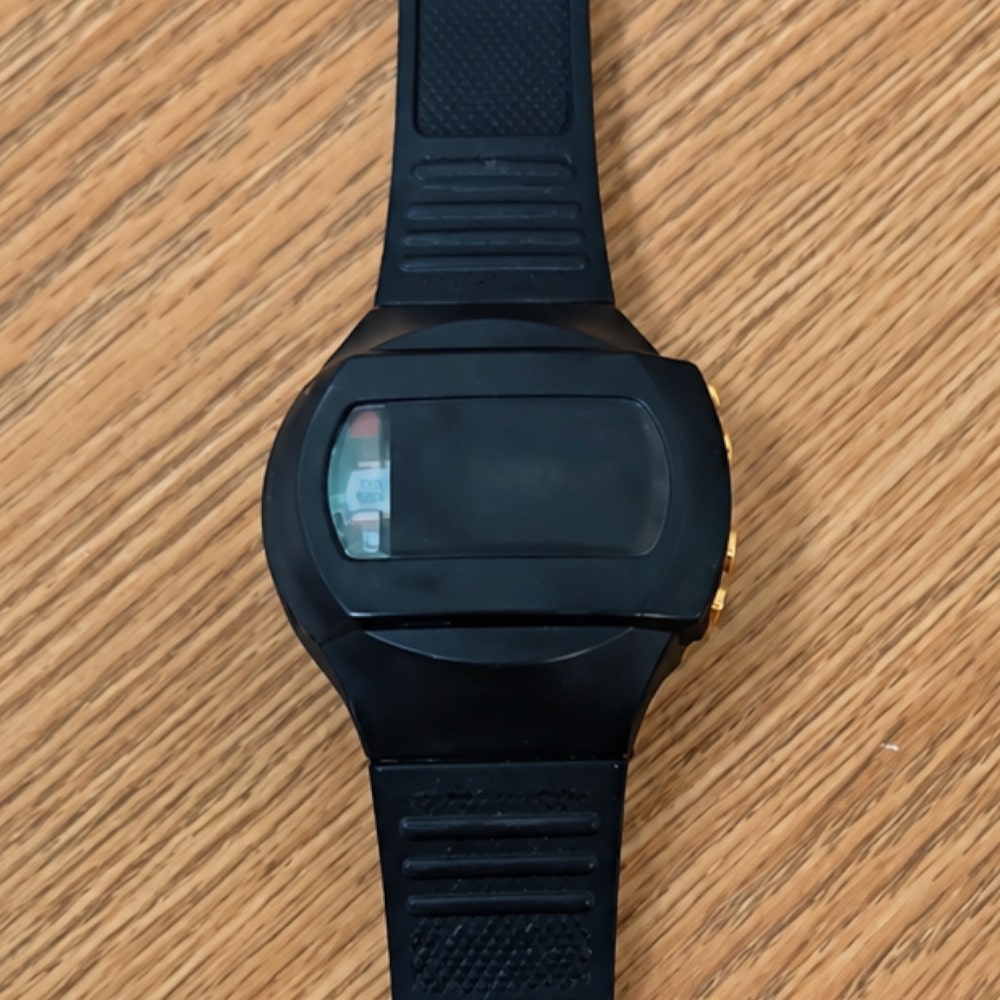
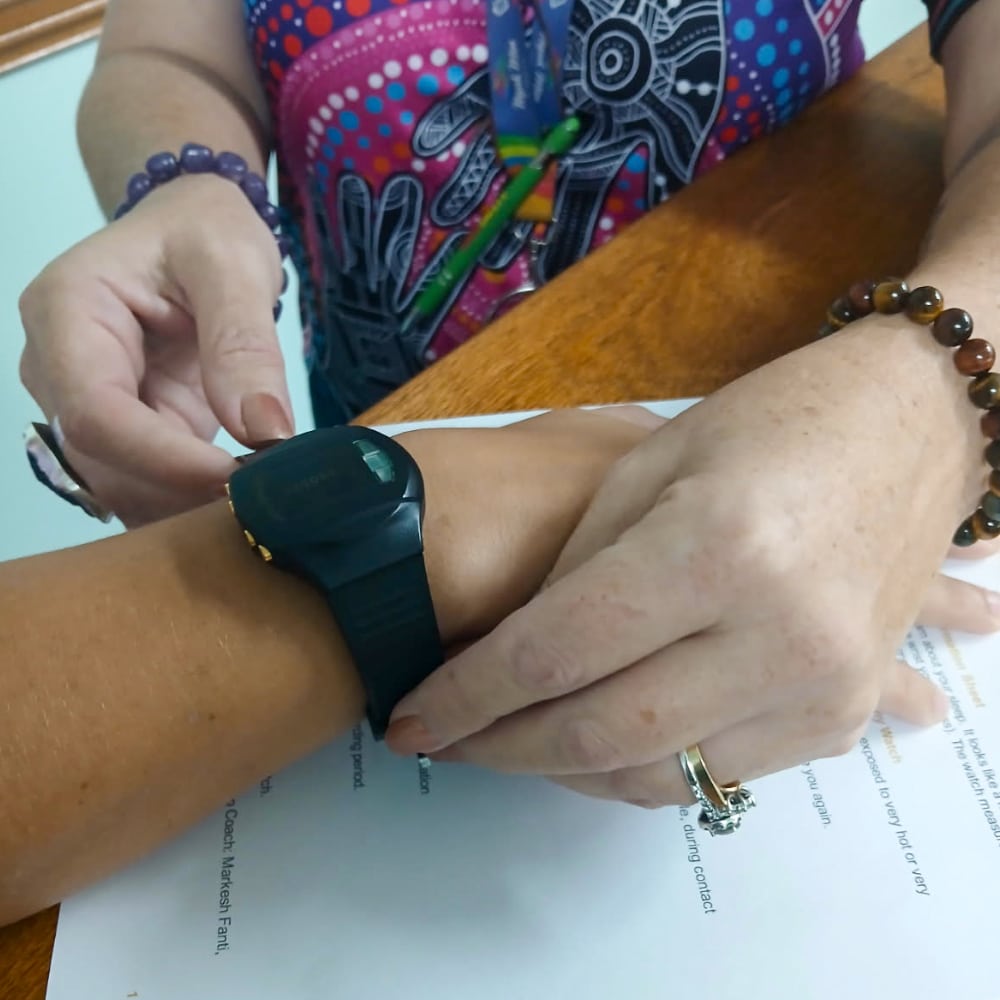
As part of the research, participating students are invited to complete sleep and wellbeing questionnaires before and after the programme and to wear an actigraphy watch, similar to a Fitbit, for seven nights at two points during the study. The watch helps researchers understand sleep patterns.
At the end of the program, participants will receive an individual sleep health summary report, providing an overview of their sleep patterns and how these have changed over the course of the program.
By bringing together Ngak Min Health, UniSC and Djarragun College students, Let’s Yarn About Sleep is helping researchers and health practitioners better understand what culturally appropriate sleep support might look like for First Nations adolescents. It is also informing the development of sleep health resources shaped by young people’s experiences, culture and community.
FOR THE LOVE OF OUR CHILDREN
Please consider making a tax-deductible donation to Cape York Partnership before 30 June. Your donation will create real opportunities for First Nations families to take responsibility and build a stronger future.