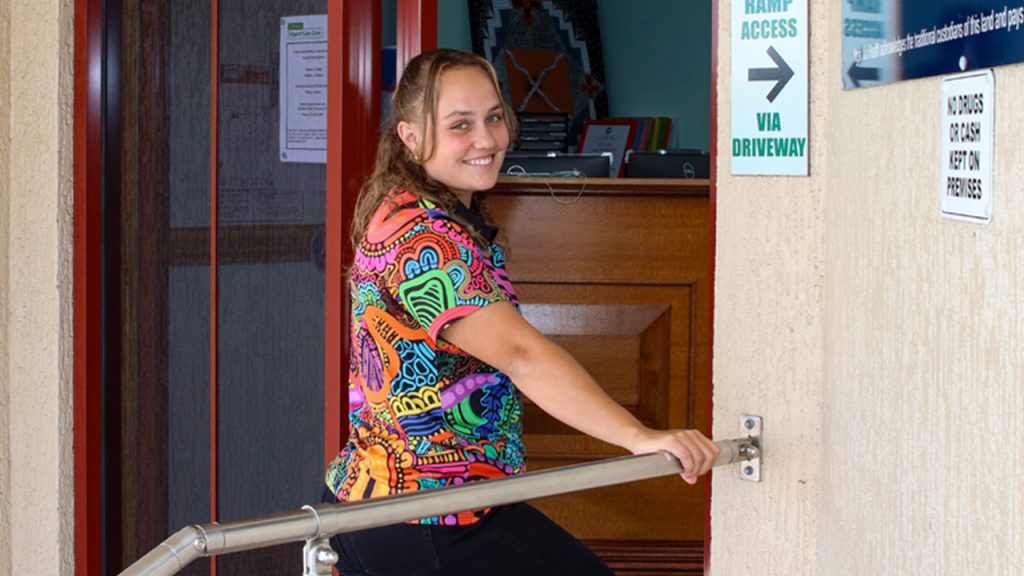
Jayrahni is an Aboriginal and Torres Strait Islander woman who grew up in Alice Springs, Mackay and Cairns and has family connections from Badu and Thursday Islands to Coen. She is also a mother of two. This is her story, told in her own words and shared in five parts. It starts with a mother who would not take no for an answer.
Part 3: I Did It Myself
By Jayrahni Nicholls
I didn't choose nursing. Nursing chose me.
That was how it felt growing up. As far back as I can remember, Mum and Dad had a plan. I would become a nurse, bring those skills back to Alice Springs, and help our people. They made that choice before I was old enough to make it for myself.
The problem was, I didn't agree. Not at first.
At seventeen, I started a Bachelor of Nursing Science at James Cook University Cairns Campus. I wasn't ready, and I failed my first year.
Part of the reason was that I didn’t take it seriously. I was only seventeen. I didn’t want to be at university, and the jump from high school was harder than I expected.
Most of the students I started with were older women, many with families. The girls who came straight from school, like me, gradually left. One by one, they put their studies on hold, dropped out, or chose a different path.
I nearly did the same; the reason I didn't was my mother.
Not because she sat me down and gave me motivational speeches. Not because she wrapped me in encouragement.
Because she simply refused to let me quit.
In her own tough-love way, Mum told me not to come back to her until I had my certificate.
Looking back, I realise she had been fighting for my future long before I understood it. She fought for opportunities at school, helped me get my Certificate III in Year 11, secured placements, and looked for paid work. She spent years opening doors I didn’t even know were shut. And she wasn't about to let me walk away from this one. I was lucky to have my dad in my corner, too.
While I was studying, I worked at Mookai Rosie Bi-Bayan, an Indigenous health service in Gumuy (Cairns). That job gave me hands-on experience I couldn’t get at university. I've never been a textbook learner; show me how something works, and I'll figure it out. If you put me in a room and ask me to write an essay about something I’ve never seen before, I’ll struggle every time. I did struggle, but I kept going. When I reached my final placement, I was pregnant with my daughter. That changed everything. I decided to finish the degree before she arrived. No excuses, no delays, no unfinished business.
I wanted my daughter to enter a world where her mum had followed through on what she started, so I did whatever it took.
When I crossed the graduation stage, I held my nursing degree in one hand and carried the knowledge that my daughter was on her way.
I remember thinking about all the people who had told me I'd never get into university, the teachers, the assumptions, the expectations, and I remember thinking, "I did it."
Not perfectly, not easily, but I did it.
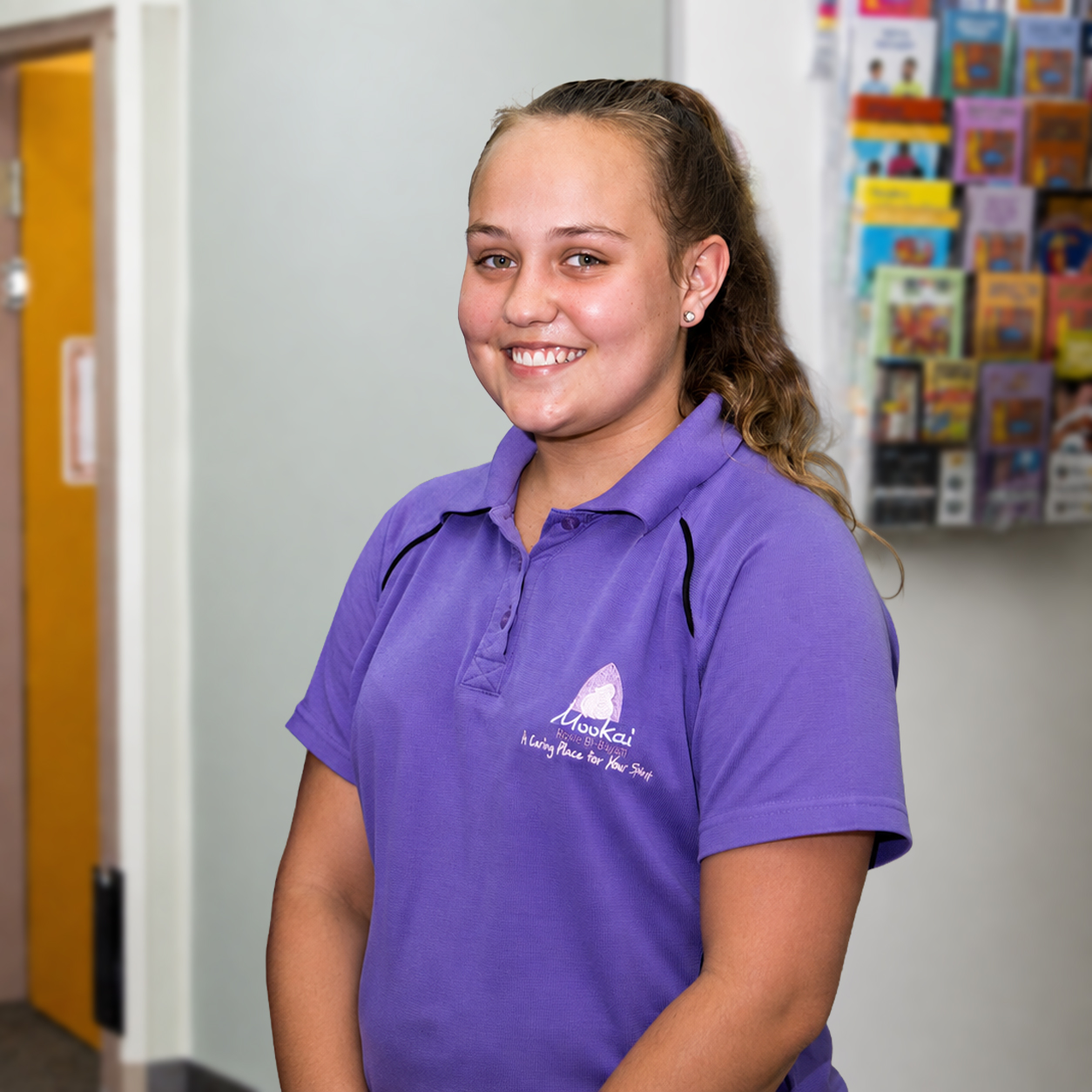
For me, becoming a registered nurse was never just about finding a job. It gave me a sense of who I am, confidence, and proof that no one could take away. More than that, it gave me identity, certainty, and language. I could finally say, "I am a registered nurse and a qualified frontline healthcare worker."
For many Aboriginal and Torres Strait Islander people, those statements matter.
A lot of us grow up hearing what we can't do. We're told where we don't belong, what isn't possible and what our limits are supposed to be.
Having something that says otherwise is powerful.
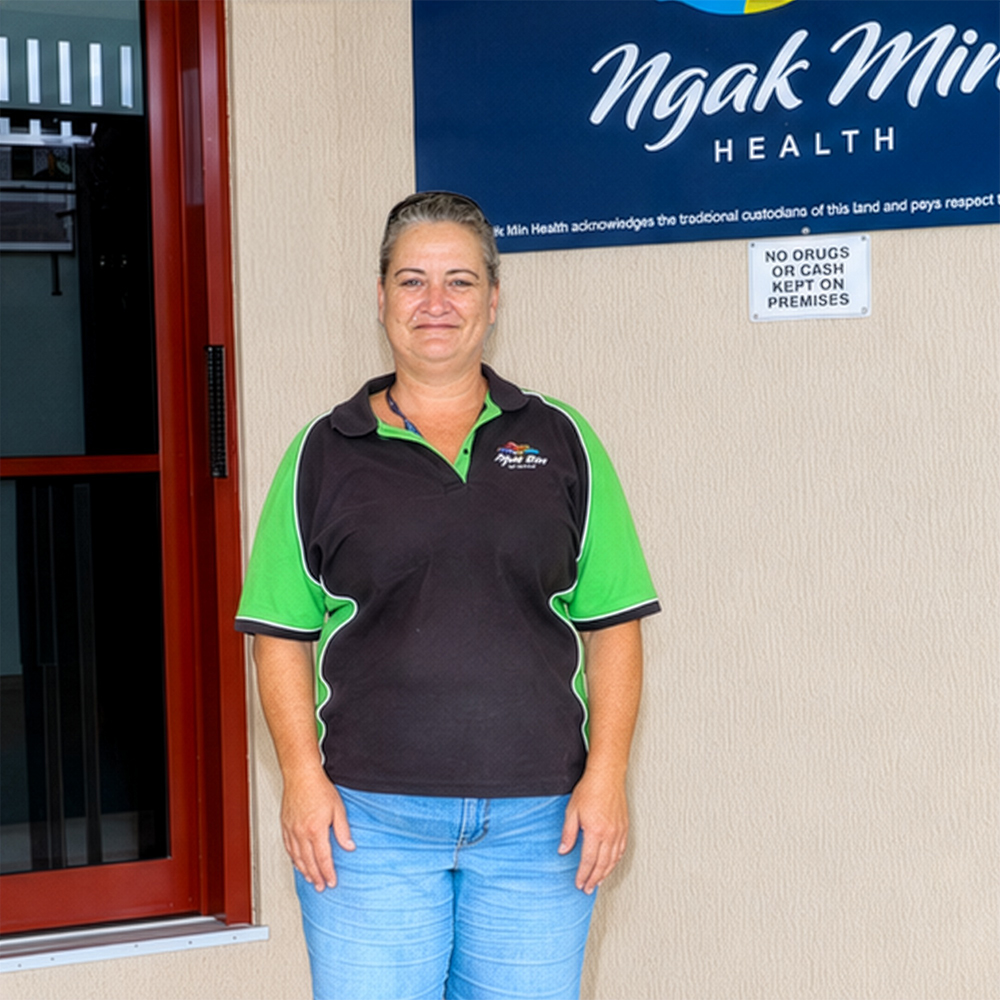
But the truth is, even after graduating, I still didn't fully believe it myself. I had the degree, I had the registration, I had the job. I was working at Ngak Min Health and doing the work every day, seeing patients, doing everything a registered nurse does. On paper, there was no argument. I was a nurse.
But paper wasn't the problem. In my head, I still felt like I was playing a part, like I'd talked my way into a role I hadn't really earned. I'd turn up, do the job, go home, and still ask myself if I was good enough to be there. It didn't matter how many shifts I worked or how many patients I saw. The doubt didn't go anywhere. It just sat quietly underneath everything.
I never said any of this out loud. From the outside, I'm sure I looked like I had it together. But deep down, I still felt like I was only pretending to be a nurse, not really being one. That feeling stayed with me for years, until one day it couldn't anymore.
When our nurse practitioner left, there was nowhere left to hide. It was just me, my work and the young people coming into the clinic. That was when something shifted. I realised I could do it. Not just survive. Not just get through. Actually do it, and do it well.
The targets we had struggled to reach before became my focus and we achieved them all. I remember looking around one day and thinking: “We did that; I did that.”
That was the moment I stopped pretending. The moment I finally owned the title I’d worked so hard to earn.
Now, when I think about my role with Ngak Min Health and at Djarragun College, I focus less on what I do and more on what the students see. They see an Aboriginal and Torres Strait Islander woman working as a registered nurse, someone who looks like them, who comes from communities like theirs, someone who understands.
When I first started, I didn't fully appreciate how important that was; now I do.
Representation in healthcare means much more than just being seen; it's about trust and about belonging. It’s about making a young person feel safe even before anyone says a word.
Sometimes the biggest barrier to healthcare isn’t the service itself. It’s whether someone believes the service is for them. Seeing someone who understands their world can change that.
When I look back on my journey, I don’t focus on the degree. I think about the seventeen-year-old girl who failed her first year and almost gave up. The girl who doubted herself. The girl who cried through parts of university and wondered whether she even belonged there. And I think about how close she came to walking away.
If you're a young Aboriginal and/or Torres Strait Islander person thinking about a healthcare career, this is what I'd say: go for it. Don’t wait. Don’t talk yourself out of it.
Will it be hard? Absolutely.
Will there be days when you want to quit? Without question. When that happens, find the person who believes in you enough to tell you not to and listen to them, even when you don’t want to.
One day, you’ll look around and realise you’re no longer pretending. You’ll see that you’ve become the person you worked so hard to be.
And when that day comes, every challenge, setback, tear and late night will have been worth it.

FOR THE LOVE OF OUR CHILDREN
Please consider making a tax-deductible donation to Cape York Partnership before 30 June. Your donation will create real opportunities for First Nations families to take responsibility and build a stronger future.