Jayrahni is an Aboriginal and Torres Strait Islander woman who grew up in Alice Springs, Mackay and Cairns and has family connections from Badu and Thursday Islands to Coen. She is also a mother of two. This is her story, told in her own words and shared in five parts. It starts with a mother who would not take no for an answer.
Part 4: The Light Through the Dark Tunnel
By Jayrahni Nicholls
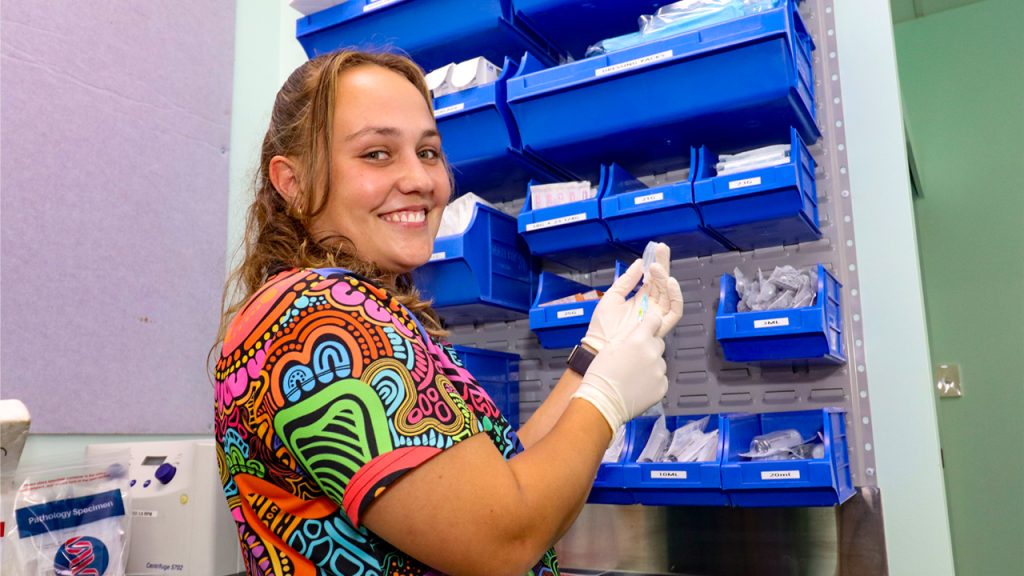
Previously, I spoke about failing my first year of nursing, almost giving up, and my mum's insistence that I not quit. I completed my degree while pregnant with my daughter, with no excuses, and even after graduating, I felt I was just pretending. That changed the day our nurse practitioner left, leaving only me, my work, and the young people who depended on me. From then on, I truly embraced my role and stopped pretending.
There’s one disease I’m particularly passionate about: rheumatic heart disease. Before Ngak Min Health was at Djarragun College, and before I started working there, two girls from the College passed away from this disease. I did not know them. I was not there. But now I know that every time I pick up that list and see a name marked overdue in red, those two girls are part of why I do not stop until I find them.
Rheumatic heart disease (RHD) is a condition that should not exist in this country any more. It was effectively eradicated in mainstream Australian society in the 1950s. It is caused by repeated streptococcal infections, the kind that come from overcrowding, poor housing and inadequate access to basic healthcare. It is preventable. That is the part that sits with me the hardest. This is not some mystery illness with no known cause or treatment. We know exactly what causes it and what can be done about it. And yet it is still here, still affecting our kids, still putting children on operating tables.
When acute rheumatic fever is left untreated or undertreated, it can damage the heart valves. That damage is called rheumatic heart disease. Treatment involves a course of Bicillin injections, given every three to four weeks for years, to prevent further strep infections from causing more damage. If the injections stop, the risk of further damage remains. If the damage progresses far enough, the outcome is open-heart surgery. Or worse.
That is what is at stake whenever a name on my list turns red.
I want to be honest about the injection itself, because I think people need to understand what these kids are going through.
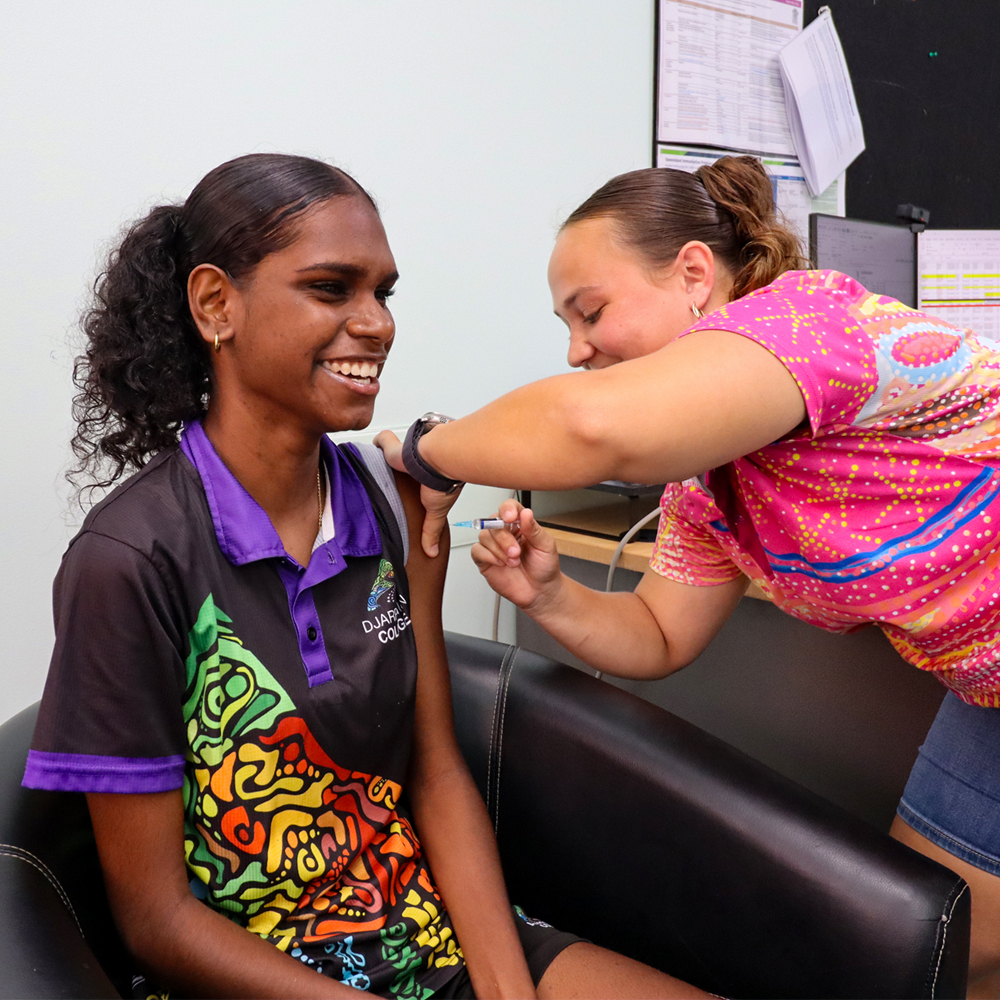
It is a thick, intramuscular needle. It must reach the muscle, so it is long. The liquid that goes through it is dense and viscous, somewhere between honey and toothpaste in consistency. It goes into the side of the hip or the upper buttock, and it must be pushed in slowly, because rushing it hurts more. The serum needs to be warmed first. The warmer it is, the less it burns on the way in. If an ice pack is used and has been on long enough, the skin is numb and the kids mostly do not feel the needle entering. What they feel is the liquid being pushed through.
This is not a quick jab. Done properly, it takes two to five minutes to administer. I have spent up to an hour in a room with one child before the needle even goes in, waiting, talking and letting them tell me when they are ready.
That is not something I was taught. I worked it out because I have seen what a single bad experience can do. If a child leaves my room feeling rushed, scared or unheard, they are less likely to return. If they do not return, the disease continues to progress. The stakes of getting the experience right are not small.
Every kid is different. Some want the ice pack, the numbing cream or the Buzzy Bee – a small vibrating device placed near the injection site to distract the brain from pain. Some just want it done. Some need to sit and talk for twenty minutes first. I follow their lead and wait until they tell me they are ready. At Ngak Min Health, we have the time to do that because we are not a for-profit clinic turning over patients every fifteen minutes. These are kids. It is a traumatic procedure. They get the time they need.
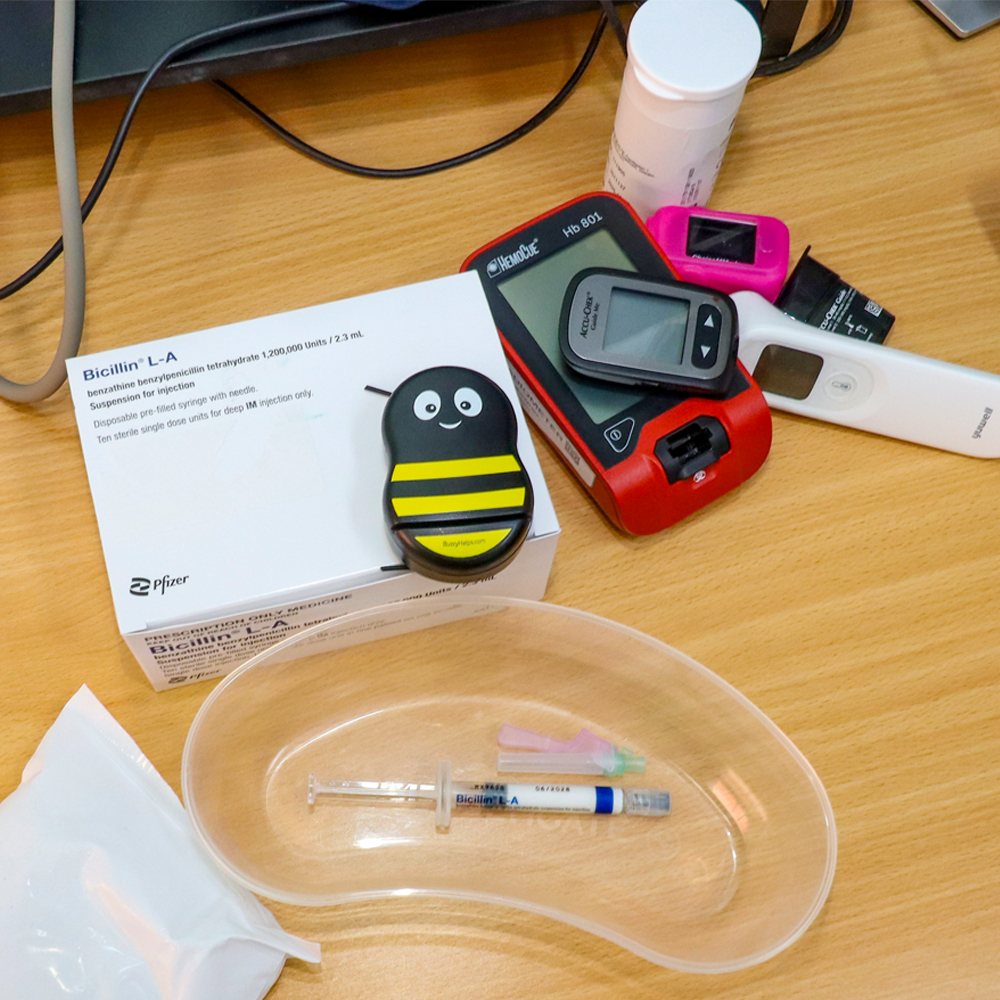
Information about RHD is readily available. There is no shortage of resources, pamphlets and government guidelines. What is missing is understanding, and that gap is not the community's fault. In many of the communities where RHD is most prevalent, English is not a first language. It might be a third, fourth or fifth. When the doctor delivers a diagnosis, I am often not in the room. But when that child comes back for their next injection, I ask them: “What do you understand about rheumatic heart disease and what did they tell you?” I listen to the answer and fill in the blanks carefully, without overwhelming them.
My job in those moments is not to deliver information. It is to ensure that a fifteen-year-old, who may be boarding away from home, who may not have a parent nearby and who does not fully understand why they must keep coming back for this painful needle, understands enough to keep coming back. I tell them plainly: “This injection is what stands between you and an operating table. I need you to pick up the phone when I call.”
Some of them do not pick up. Some of them are past due. Some of them are in community and I cannot get to them. The system will not send anyone to them either. I look at that list and the red names, I think about those two girls and I keep calling.
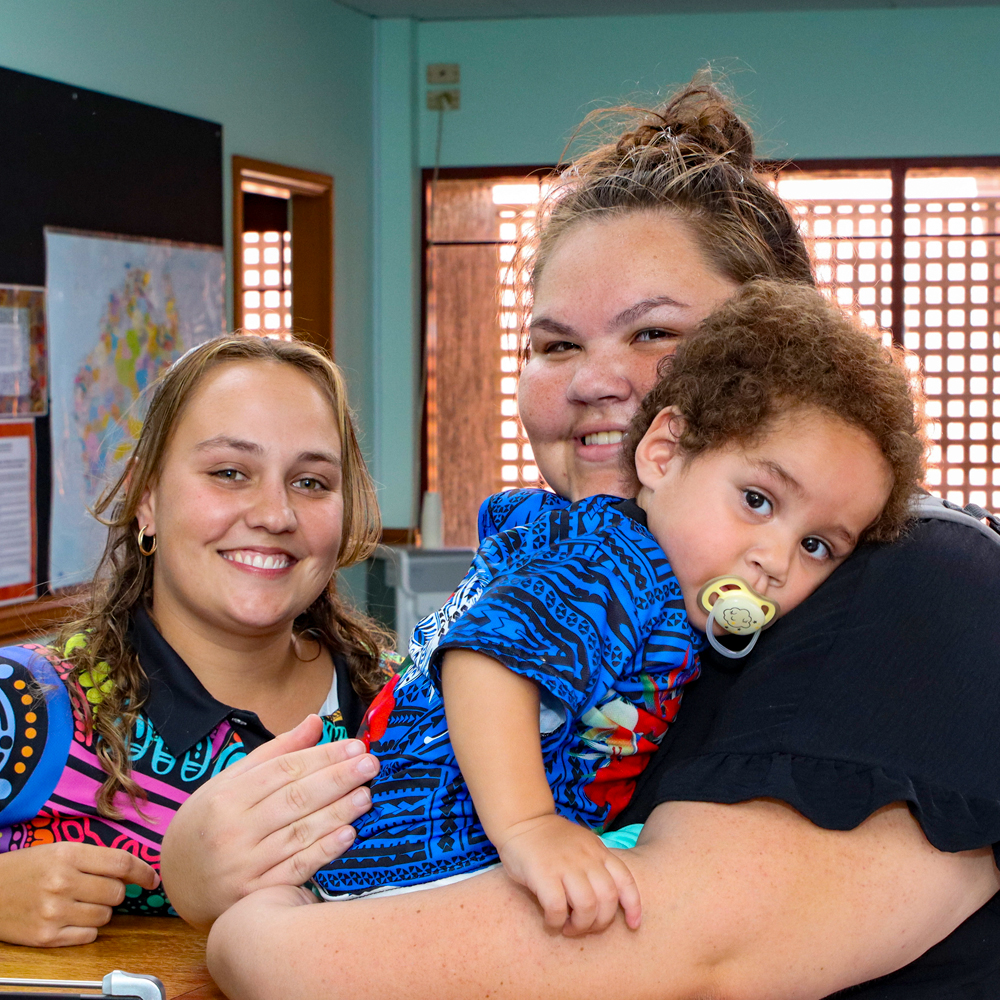
I wear many hats with my RHD kids. Some have parents who are engaged and proactive; those families usually need little from me beyond clinical care. But others are fifteen or sixteen, boarding far from home, with parents who are unreachable or unable to advocate for their child's health. For those kids, I become whatever they need. The nurse. The advocate. The person who keeps showing up.
Becoming a mother changed how I feel about this. I cannot imagine one of my children being far from home, having to face something painful and scary, without someone in their corner. That thought underpins everything I do with these kids. I am not their mother, but I can be the person who makes sure they are not doing it alone.
“What do children need most during ongoing healthcare?” I was once asked that and my answer was simple: love, understanding, trust. Everything else – the ice packs, the warm serum, the hour in the waiting room, flows from those three things.
Before Ngak Min opened, two girls had died. I carry that.
Every single day, my goal is that none of my kids ends up on an operating table. If I can be the light that guides them through that dark tunnel, through the fear of the needle, through the years of treatment, through a disease that should not exist in this country in 2025, then that is enough.
And my hope for the future is simple: that one day we will not need to have this conversation at all.
Total eradication. That is it. That is all I want.
FOR THE LOVE OF OUR CHILDREN
Please consider making a tax-deductible donation to Cape York Partnership before 30 June. Your donation will create real opportunities for First Nations families to take responsibility and build a stronger future.