Cape York Leaders Program students are completing Year 12 at a rate well above the national average – but demand for scholarships continues to outstrip available places.
Only 27 of 340 Indigenous young people entering secondary school in remote Cape York Peninsula in 2027 have been offered the opportunity to attend a quality school that all but guarantees Year 12 completion.
For young people who remain in their community, the likelihood of completing Year 12 can be as low as one in 100. Less than 1 per cent complete Year 12.
This year, 80 young people applied for a Cape York Leaders Program scholarship, with 27 offered the opportunity to attend a quality boarding school outside Cape York in 2027.
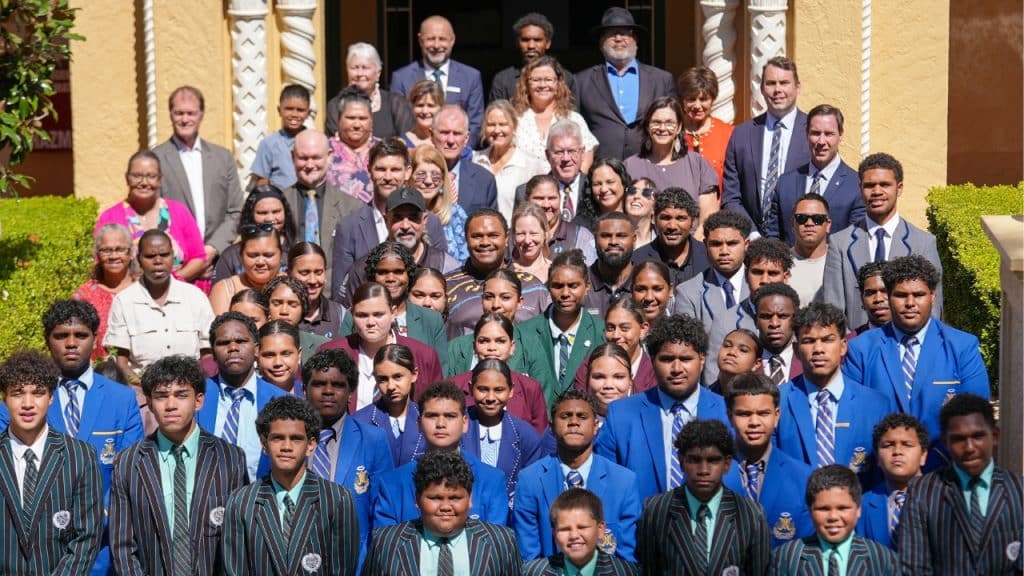
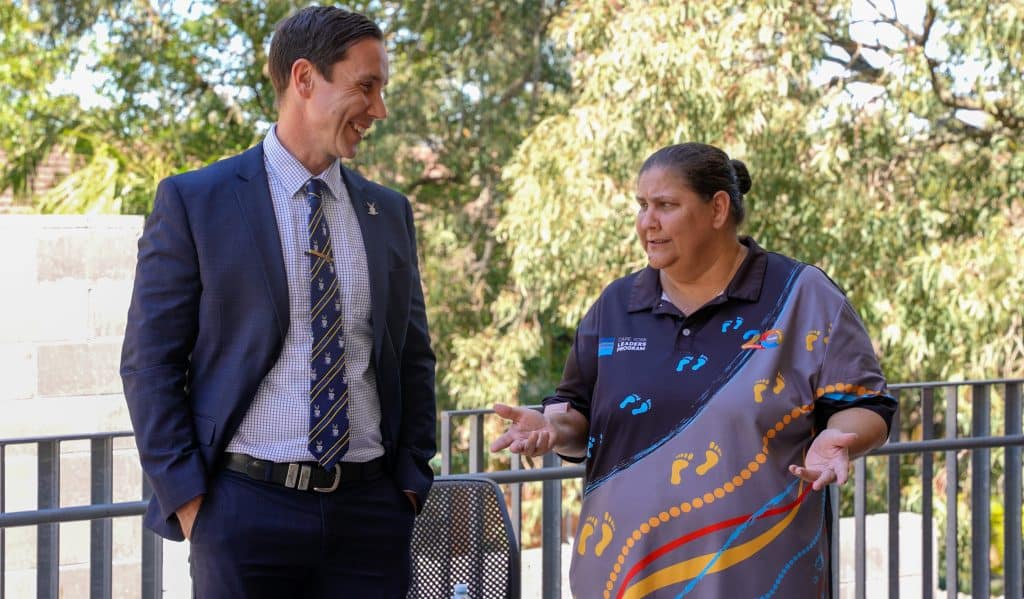
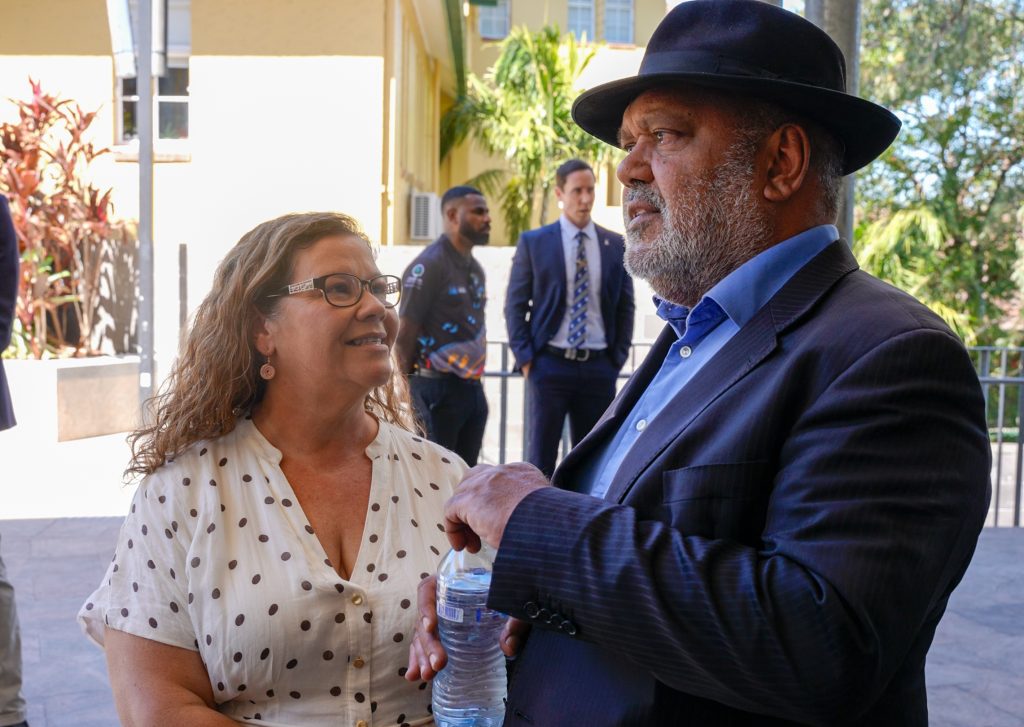
On Friday 4 September, at Brisbane Boys’ College Chapel, Cape York Leaders Program (CYLP) marked more than 20 years of proving that remote Indigenous young people can succeed at school when they have access to high expectations, high-quality education and sustained structured support.
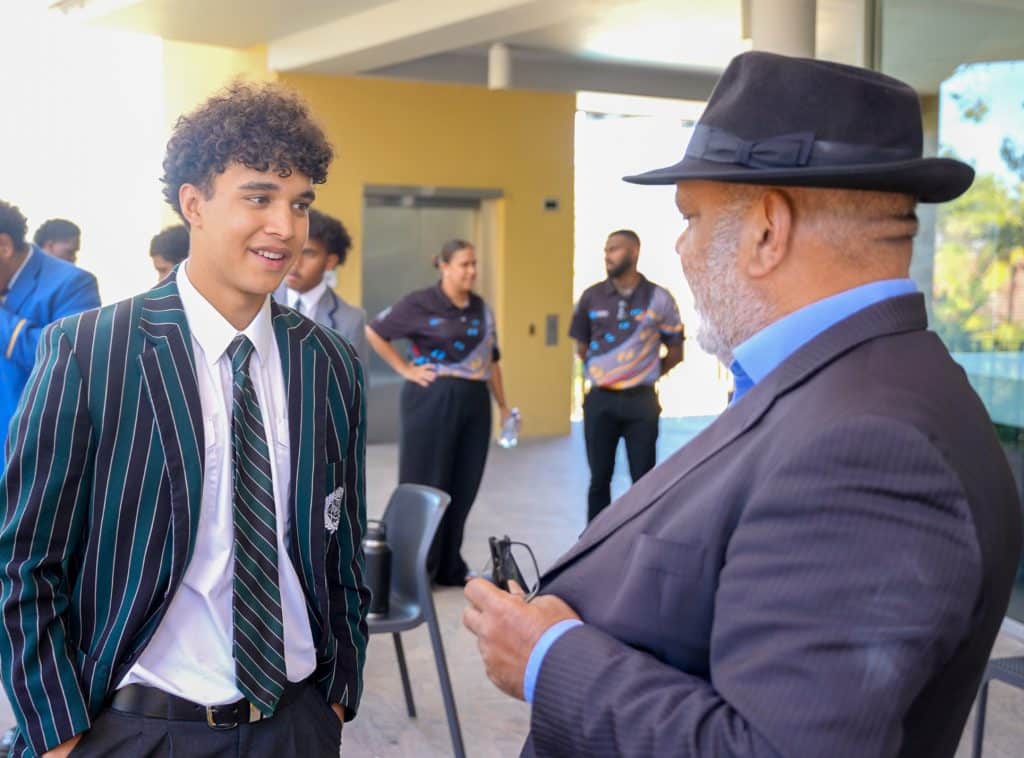
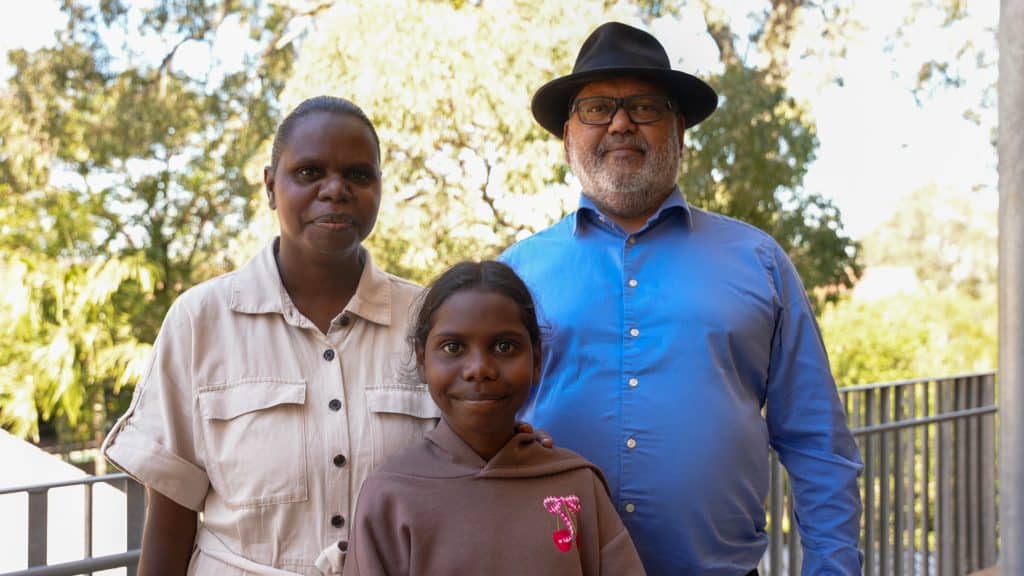
Cape York Partnership founder Noel Pearson joined students, alumni, parents, families and partner-school representatives to celebrate two decades of reform built on personal responsibility, family commitment and community leadership.
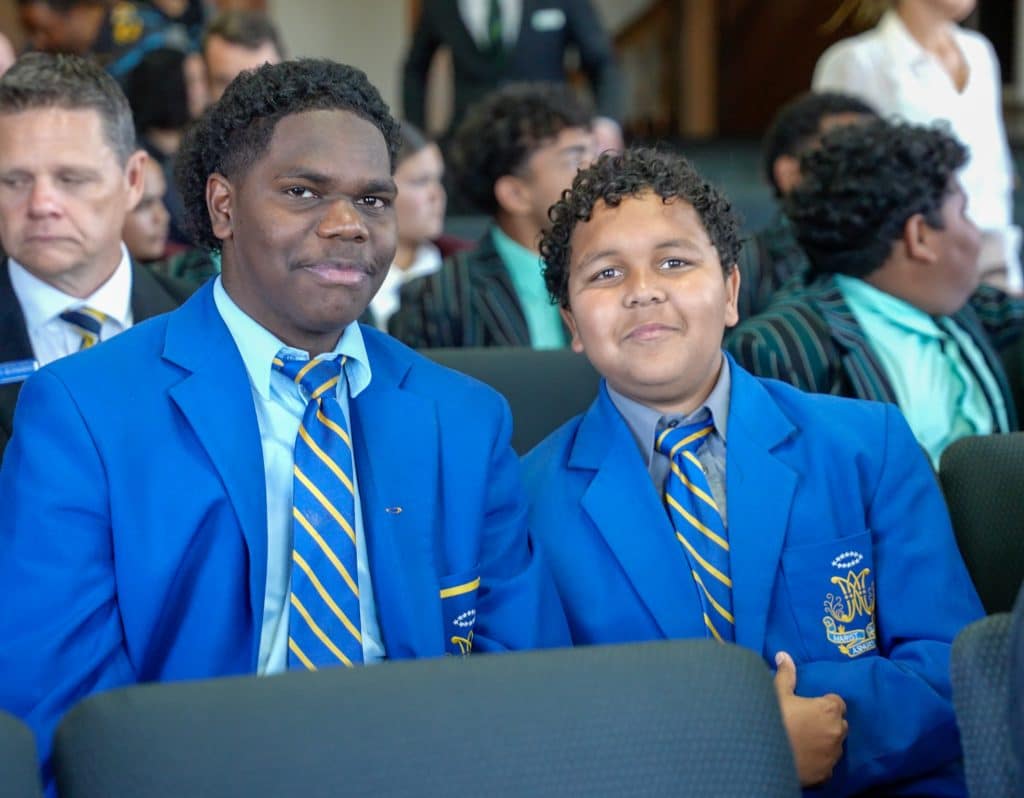
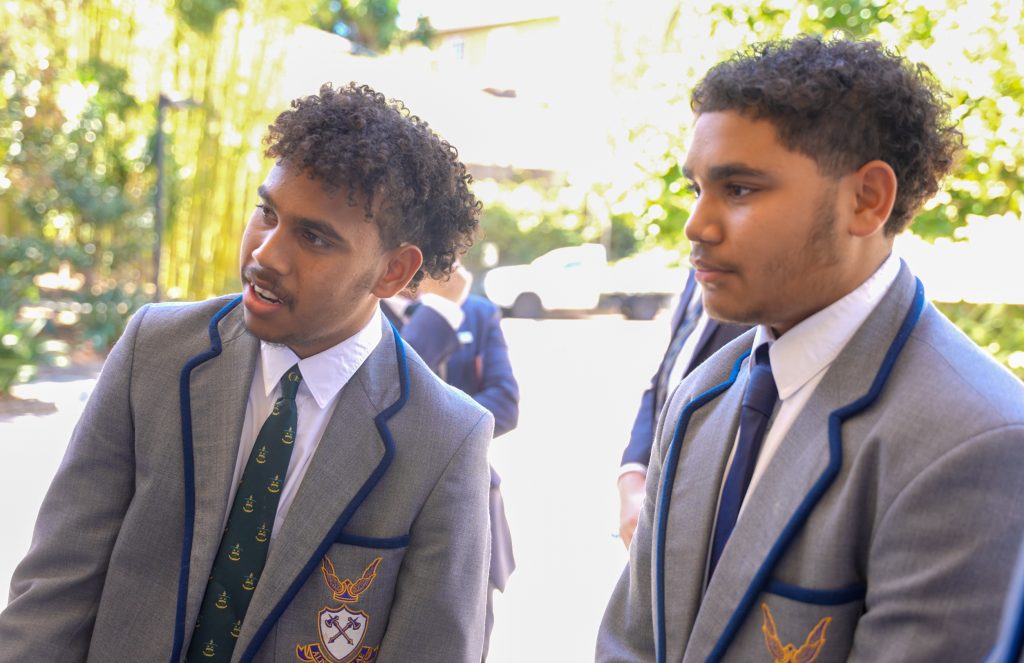
Since 2005, CYLP has supported Aboriginal and Torres Strait Islander students from remote Cape York communities to “orbit” – to leave their home communities and attend high-quality secondary schools across Queensland.
The program combines secondary-school scholarships with academic bridging, pastoral care, family engagement and support into further education, training and employment.
“The fact that we have had to turn away 53 students this year tells us something important,” said Fiona Jose, Executive Co-Chair of Cape York Partnership.
“Our young people have aspiration, talent and family commitment in Cape York. The issue is that too few children have access to the educational opportunity that children outside of the Cape take for granted.
“For a young person who remains in their remote Cape York community for their high schooling, the chance of finishing Year 12 is less than 1 per cent. For young people supported through the Cape York Leaders Program, the Year 12 completion rate is 95 per cent. That is higher than the national average at 77 per cent.
“It shows what is possible when high expectations are matched by a genuine opportunity, strong schools, committed families and the support a young person needs to succeed.”
Each year, approximately 320 to 340 Indigenous young people in Cape York communities are of secondary-school entry age.
Most CYLP students begin secondary school having been denied consistent access to the same educational foundations available to most children in larger towns and cities.
At entry to CYLP, only 10 per cent are assessed as working at academic year level. But with access to partner schools and sustained academic, pastoral and family support, almost all participating students complete Year 12.
“Year 12 completion is the absolute powerhouse outcome,” Ms Jose said.
“This is what closing the education gap in one generation looks like – a young person completes Year 12, moves into further education, training or work, and creates new expectations and opportunities for their own children.”
The program’s origins can be traced to Kowanyama mother Priscilla Major, who sold cakes to save for her daughter Tania Major’s school fees.
Inspired by that commitment, Noel Pearson – then a young lawyer – supported Tania’s schooling. That act of belief helped shape the model that became Cape York Leaders Program, with early seed funding from the Macquarie Group Foundation helping establish the program.
The anniversary event recognised the achievements of CYLP students, alumni and families, including Leona Yunkaporta from Aurukun, the program’s first official Year 12 graduate in 2006 from Clayfield College, and Keithean Bowen from Hope Vale, an inaugural CYLP scholar in 2005.
Mr Bowen’s son is now enrolled in CYLP, becoming the program’s first second-generation student.
“For us, that is the clearest measure of intergenerational change,” Ms Jose said.
“A parent who was given an opportunity through education is now able to see that opportunity extended to his own child. That is how expectations change, and how the education gap can close within a generation.”
Cape York Partnership has previously reported that around 70 per cent of CYLP graduates move directly into full-time employment, apprenticeships or further study after school.
The anniversary event also recognised the contribution of CYLP’s 13 Queensland partner schools. Their long-term commitment, academic bridging and pastoral care help students make the transition to boarding school, catch up where needed and remain supported through to graduation.
For 20 years, Cape York Leaders Program has shown that geography, disadvantage and low expectations do not have to determine a young person’s future. The challenge now is ensuring that more than eight per cent of Cape York children have the opportunity to succeed.
Came from our newsletter?
Click the button below to return and keep reading.
FOR THE LOVE OF OUR CHILDREN
Please consider making a tax-deductible donation to Cape York Partnership before 30 June. Your donation will create real opportunities for First Nations families to take responsibility and build a stronger future.