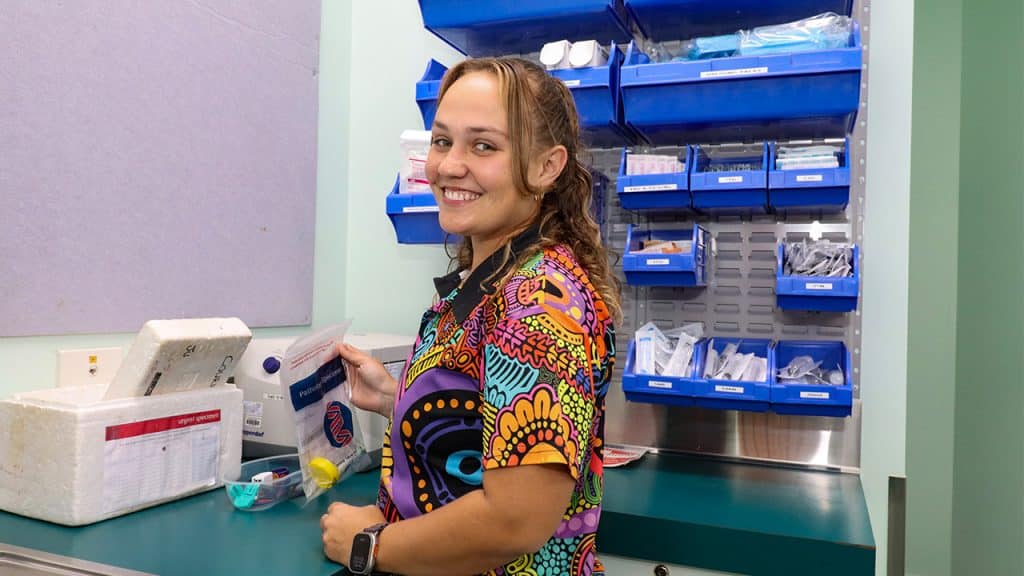
Jayrahni is an Aboriginal and Torres Strait Islander woman who grew up in Alice Springs, Mackay and Cairns and has family connections from Badu and Thursday Islands to Coen. She is also a mother of two. This is her story, told in her own words and shared in five parts. It starts with a mother who would not take no for an answer.
Part 1: The Seed
By Jayrahni Nicholls
Before my health journey started, I remember being in Grade 11 when my dad was called to a meeting with the head of the grade and the head of the Maths staff. This Maths teacher told me that I would never be able to be a nurse.
While this was happening, my mum was in the background (I didn't know), fighting to get my health journey started.
My school didn’t offer any health courses. Still, my mum, Charmaine, asked if I could do a health placement. The school said no. She went to Balance Edmonton Family Medical Practice in Gimuy (Cairns) and asked if they’d take a Grade 11 student one day a week. They said no, too. But like a dog with a bone, she didn’t let up until both sides agreed. She even got them to pay me: one hundred and fifty dollars a fortnight. Every Thursday morning, my dad and I would get in the car and head to work. He sat beside me as I drove us to Balance to so my Certificate III in Primary Health Care. I was sixteen, driving to a job on my L’s while my classmates were at school, and I felt so adult.
I want to say that again because it almost didn’t happen.
I didn’t grow up wanting to be a nurse. That’s important to know. The story of a young Aboriginal girl who always dreamed of working in health isn’t mine. Nursing was my mum’s and my dad’s idea. Both work in health. Mum is a guru in Primary Health Care for our people, and Dad is an Aboriginal Health Practitioner. They had a plan for me before I had one. Go back to Alice Springs, they said. Help your people. Instead, what I really wanted was to drive trucks in the mines. Good money, no studying, just get out and go. That was the plan in my head. You might be thinking, ‘Why not let the kid drive trucks if that’s what she wants?’ But they saw something in me that I didn’t know was there. And I’m happy they did.
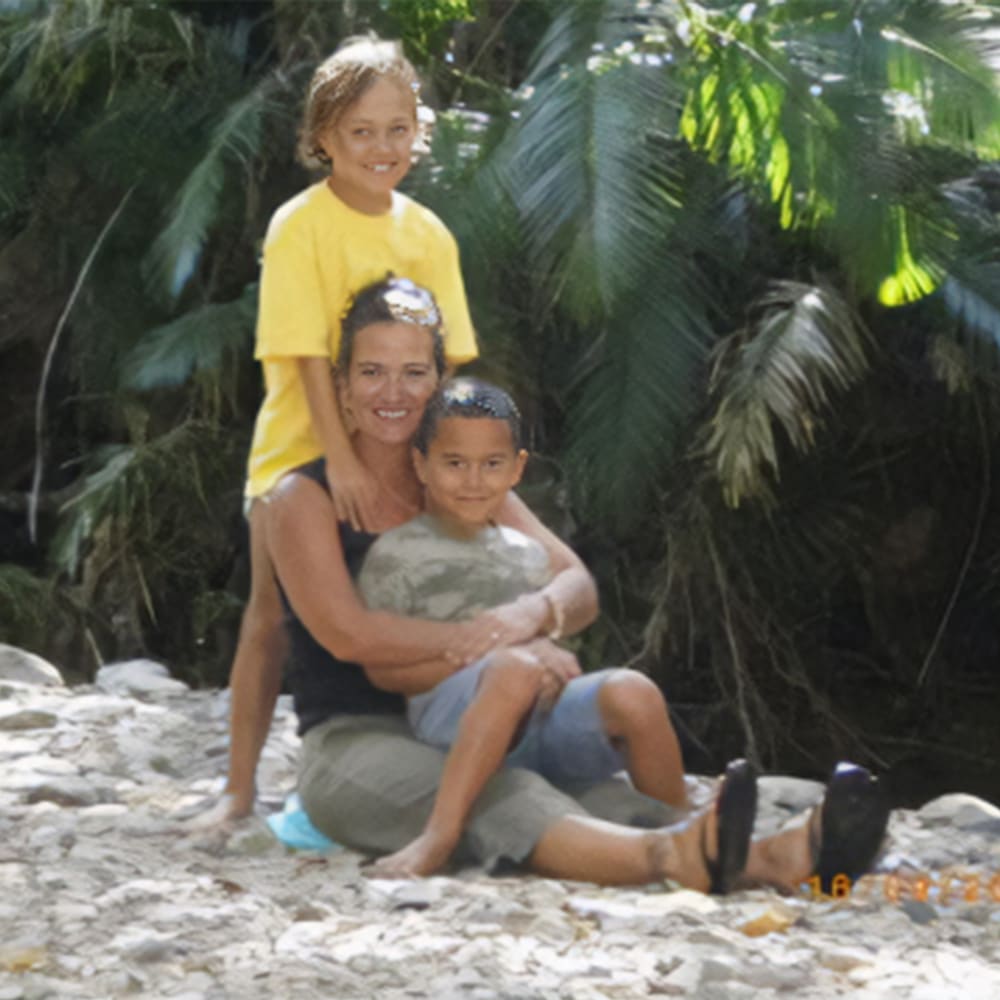
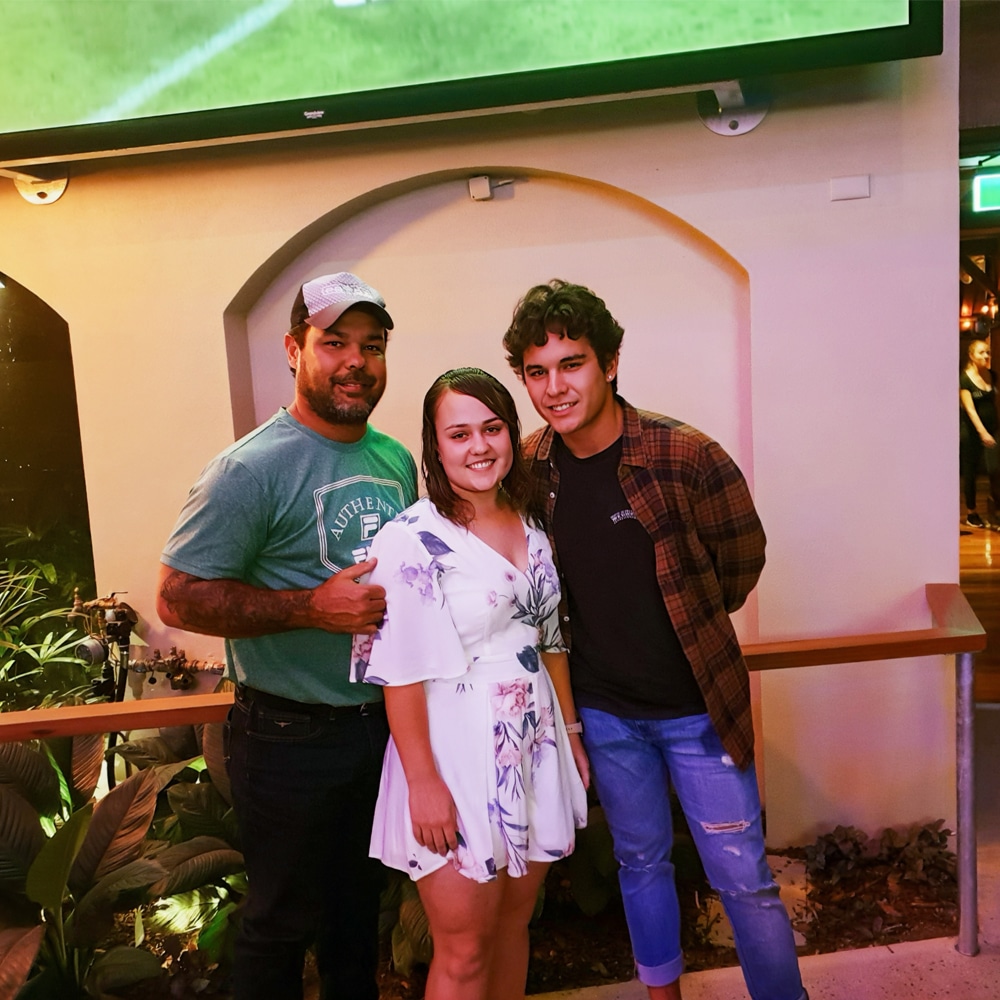
Over time, those Thursday mornings changed me in ways I didn’t expect. High school wasn’t for me. I’m not a textbook learner, and I never have been. I learn by doing, by watching and by being thrown into new situations where I have to figure things out. That’s exactly what happened at Balance.
Aunty Desley was the senior Aboriginal Health Worker there. She became one of the most important people in my early life, even if I didn’t realise it at the time. She didn’t treat me like just another student. She showed me how the work was done, then let me try it myself. The nurses did the same. They’d show me once, then step back. I’d think, okay, I can do this. And I did.
What I remember most is that every Thursday was different. The clinic saw people of all ages, backgrounds and cultures, which kept me on my toes. I learned that you can’t care for everyone the same way. You have to read the room, listen before you speak and change how you communicate depending on who you’re with. When I spoke to First Nation patients, my language became more natural and less formal. It happened without me thinking about it, and it still does.
That period was not straightforward. My family was broken, and I didn’t see or speak to my mum – the one who fought so hard for me – for two years.
It was my dad who eventually said it was time to reconnect. This happened a week before I finished Grade 12, when my brother, my partner and I drove out to where she was living. When I finally saw her, it didn’t feel like two years had passed. It felt like no time had passed at all. The wounds healed quickly.
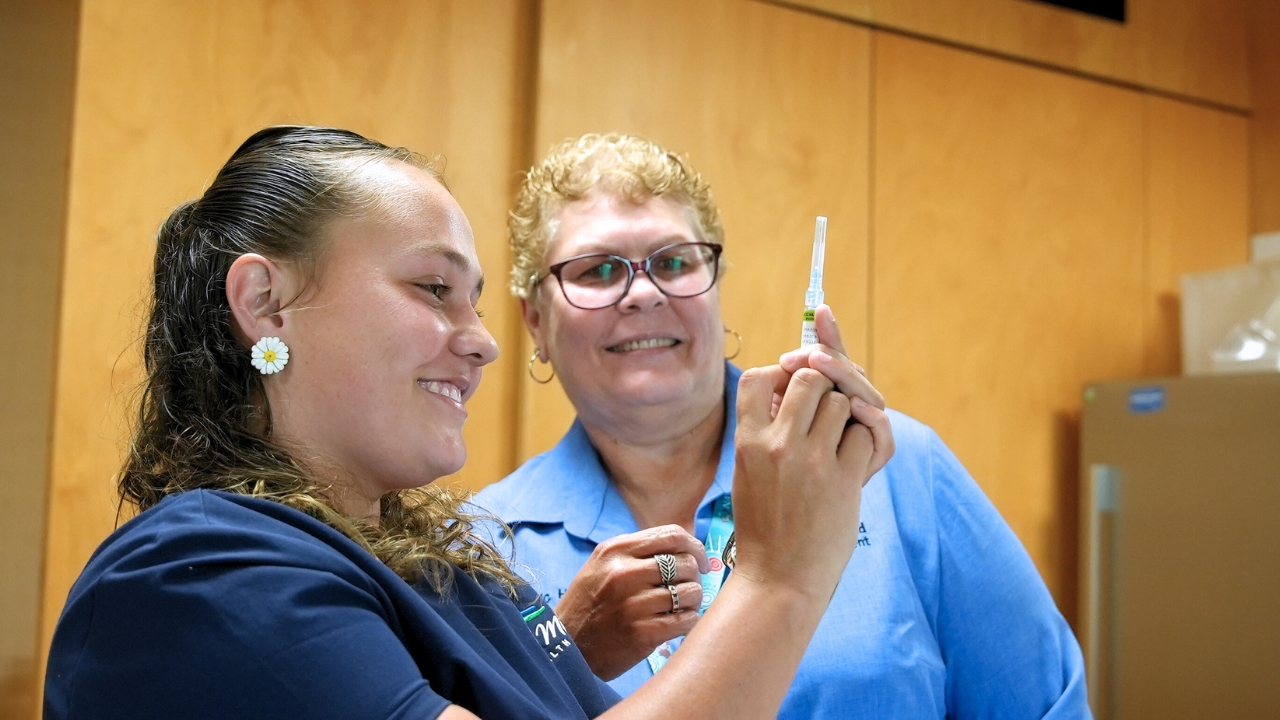
I don’t talk about that time much, but it’s part of my story. While I was learning to work, drive, read people and care for them, I was also carrying something heavy at home. Still, I kept going. The Thursday drives continued. The work kept teaching me things I could never learn in a classroom.
My dad was a big influence on me then, even if he wouldn’t say so. I watched him at work events, seeing how he interacted with people, especially kids. He was easy-going, warm and genuine. He is quite intelligent when it comes to primary health care. Don’t tell him I said that. In my mind, I remember thinking that one day I hoped to be as good as he is at caring for our people. I’m not sure if I’ve reached that yet, but that quiet competition kept me moving forward. He’s not a textbook learner either. Turns out that runs in the family. In the Nicholls family, that is!
Then I graduated Year 12 and completed my Cert III in Primary Health Care in 2016. Before I could even enrol into Nursing at JCU, my mum had to fight again. JCU wouldn't accept me straight off the bat because I didn’t have the OP score that I needed. JCU wanted me to do a 12-month bridging course and then said they would see if I could enrol in nursing. So, my mum took them on. I think it took my mum about 3 months before they finally agreed to allow me to enrol.
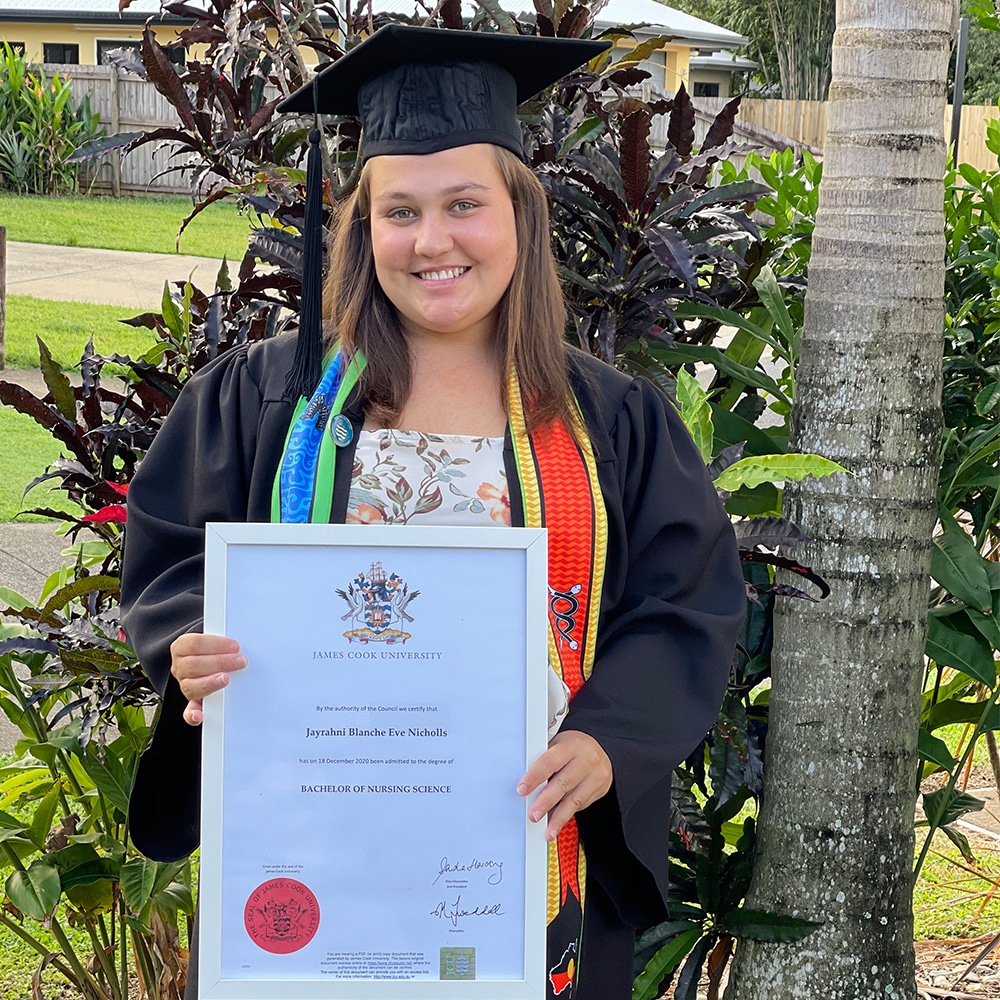
I went on to finish my nursing degree at Jame Cook University in 2020, though it wasn’t easy. I spent four years studying, and I mostly hated it. There were many times I almost quit; I even signed up for the police academy. I would tell my mum every other day, and she would listen, acknowledge, but would then say, “okay, while it's hard right now, you will get through, one subject, one exam, one placement at a time, and before you know it, it will be over.” I already had a strong foundation. Everything I learned at Balance – how to be present with a patient, how trust is built slowly and lost quickly, and how primary health care is about the whole person, not just their symptoms.I carried this with me into my degree and now into my work at Ngak Min Health, where I’ve been for over six years.
People sometimes ask what made me the nurse I am today. I tell them it was a mix of things. But if I had to name one starting point, it would be those Thursday mornings. I was in Grade 11, a 16-year-old kid with a learner's permit, driving to a job my mum fought to get for me.
I learned what it meant to care for people from Aunty Desley and my dad. This was the seed for my nursing story.
FOR THE LOVE OF OUR CHILDREN
Please consider making a tax-deductible donation to Cape York Partnership before 30 June. Your donation will create real opportunities for First Nations families to take responsibility and build a stronger future.