In the first part of this series, Jayrahni Nicholls shared the world that shaped her, including Alice Springs, a nurturing but firm upbringing, and a mother who stood up for her daughter, refusing to let the system dictate her future. When Jayrahni’s school couldn’t provide health support, Charmaine Nicholls bravely fought the school and a medical practice, ultimately securing a paid placement for her daughter at sixteen.
When JCU wouldn’t admit Jayrahni directly to nursing, Charmaine worked tirelessly for months until the university finally agreed. Jayrahni didn’t get everything handed to her; Charmaine fought quietly while her daughter drove to work on a learner’s permit, discovering for the first time what it truly meant to belong. In Part 2, Jayrahni continues to explore that initial spark and the journey that followed.
Part 2: The Craft of Care
By Jayrahni Nicholls
Nobody teaches you the most important parts of this work. You learn them by doing, by watching, by getting it wrong quietly and getting it right the next time. You learn them from the people who trust you enough to show you once and then step back.
That is how I learned. That is still how I learn.
After my Certificate III, I kept working in primary health care. I went on to work at Mookai Rosie, an Indigenous health service in Gimuy (Cairns), while I was studying for my nursing degree at JCU. Being in a clinical environment while working through the academic side helped me in ways the classroom couldn't. When you are sitting in a lecture trying to understand how something works, it helps if you have already seen it firsthand. Theory lands differently when it has a face attached to it.
I was not a textbook learner. I know that about myself. I need to be in it, watching, doing and making mistakes in real time. Aunty Desley understood that at Balance Family Medical. The nurses there did too. They would show me something once, then let me do it. That kind of trust, given to a Grade 11 kid who had never worked anywhere before, is not a small thing. It shaped the way I think about caring for people now. If you trust someone enough to let them try, you are telling them something about their own capability that no grade or certificate can.

My dad was the same. He is an Aboriginal Health Practitioner, trained in Alice Springs, where the scope of practice for health workers and health practitioners was broader than it is here in Queensland; he could jab, take bloods, and do things that health workers and practitioners in Queensland are not permitted to do. He is not a textbook learner either. Not book smart, if I am being honest. But when it comes to being a health practitioner, he has something that matters more than being textbook-smart. I watched him at NAIDOC events, the way he moved through a room, the way he talked to kids, especially. He was easy, unhurried, no performance to it. I filed that away. That is what I want to be, I thought. I just did not tell him that. I was not about to give him a big head!
One of the things I learned early – which I could not have explained it at the time – was that the way I communicate changes depending on who I am with.
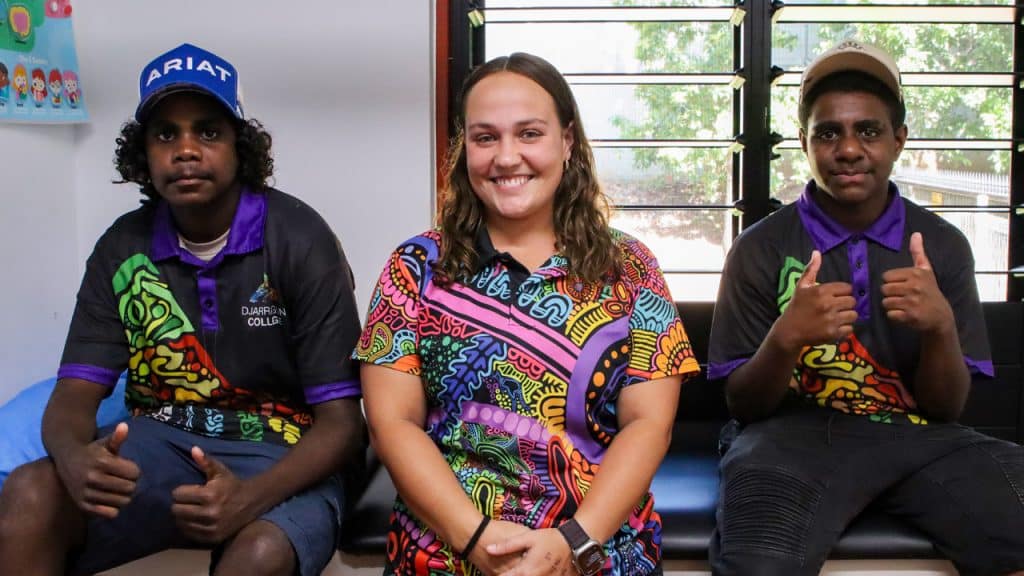
When I talk to the kids at Djarragun College, something shifts; my language changes. What you might call my blackness comes out, and I do not have to think about it or switch it on or off. It is simply what happens when I am with my own mob. In a professional setting, I adjust. Not because one version of me is more real than the other, but because good communication means meeting people where they are. That is what cultural understanding looks like in practice. It is not a framework you study. is an instinct you develop by spending enough time with different people, paying enough attention and caring enough to get it right.
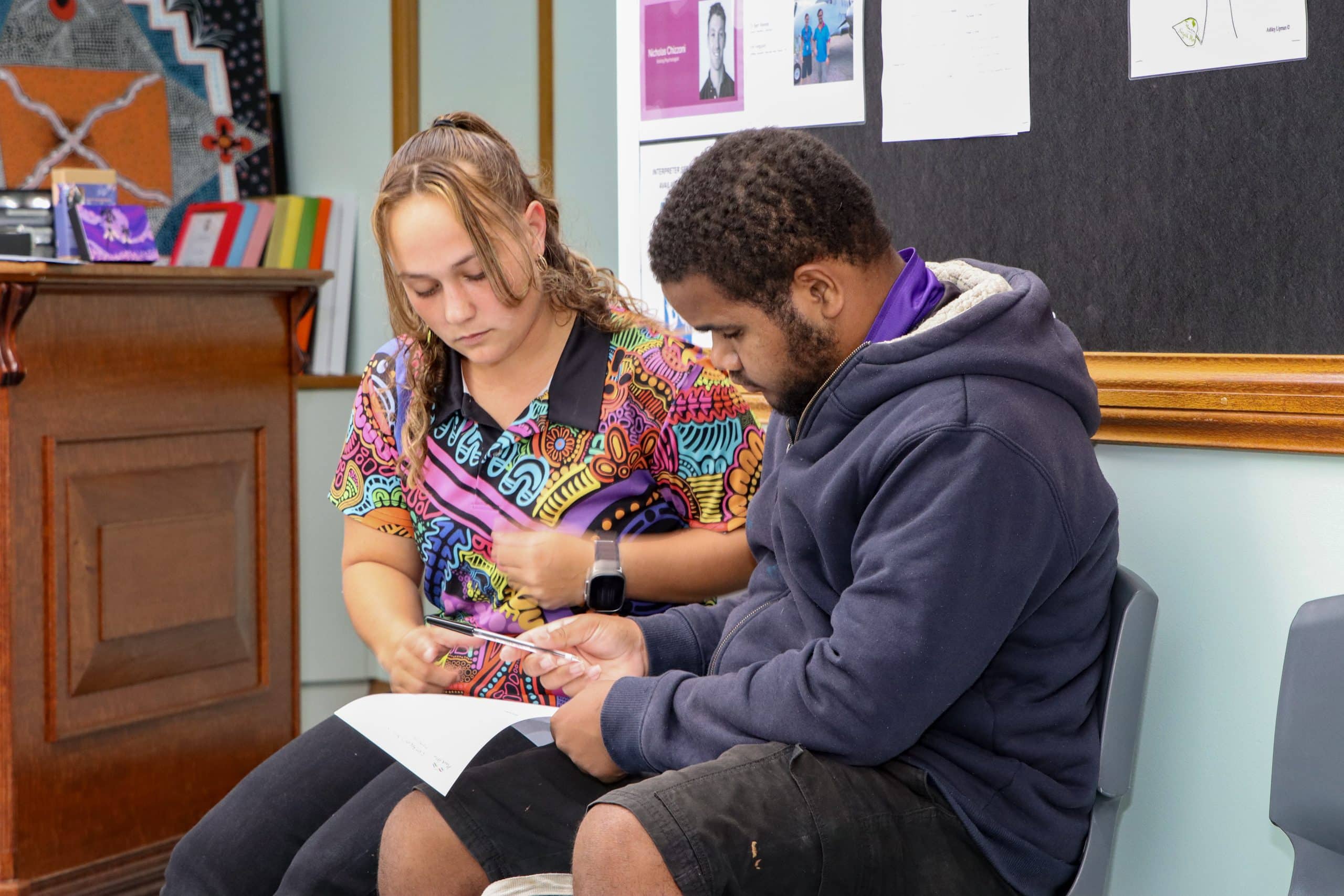
No two people are the same. That sounds obvious, but I think much of healthcare misses it. You cannot care for people the same way across the board. You walk into a room and read it. You notice how someone is sitting, whether they make eye contact, whether they fidget and what they do when you ask a question. All of that tells you something before a single word about the clinical reason for their visit. And if you do not pick it up, you will miss what is actually going on.
I keep photos of my family on my clinic wall. My kids, my family. I noticed early on that when the kids at Djarragun look at those photos, something changes in them. They let their guard down a little. A nurse stops being a stranger and becomes a person. That is all it takes sometimes, just evidence that you are a human being with people who love you, just like them.
What drew me to primary health care, and what keeps me here, is that it is preventative. It is not a hospital where people arrive at the worst point and get connected to machines. It is the long game. You see the same people over time. You build something with them slowly. You earn the right to ask the harder questions because you have already sat with them through the smaller ones.
Trust cannot be rushed. You are not going to get it overnight, and you should not expect to. But in primary health care, you have the time to build it, because people come back. They come for check-ups, follow-ups and non-emergency visits. And each time they come back, the relationship grows a little stronger, the conversation goes a little deeper, and you get a clearer picture of who they are and what they actually need.
When someone trusts you enough to truly open up, beyond simply answering clinical questions, you begin to see them as a whole person. That is where genuine care begins: not just in the diagnosis, but in understanding the life surrounding it.
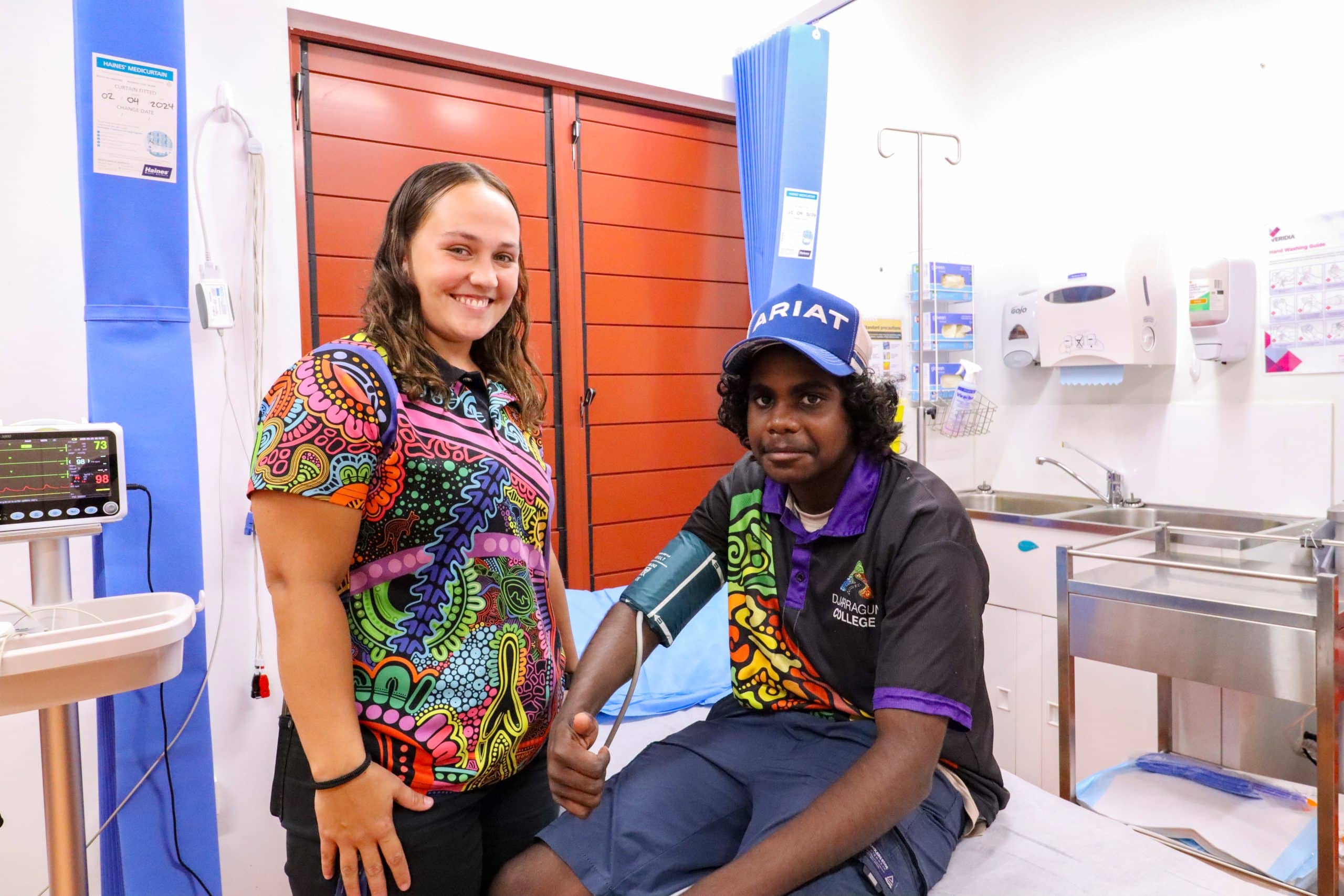
Being an Aboriginal and Torres Strait Islander nurse in Aboriginal primary health care means I get to spend that extra bit of time. It is not a patient-to-staff ratio situation, as on a hospital ward, nor a numbers game like in private practice. You can make someone feel heard. You can make them feel like they matter. For many of the kids I work with, that experience of being somewhere safe and seen by someone who understands where they come from is not something they have had much of.
Everything I learned in those early years – the shifts at Balance, the work at Mookai Rosie, watching my dad move through a room – I did not leave any of it behind when I became a registered nurse. I evolved it. It became the foundation that everything else was built on.
In my first entry, I called those early days ‘the seed’. These learnings about the craft of care might just be the roots. The strong foundation for things to come.
FOR THE LOVE OF OUR CHILDREN
Please consider making a tax-deductible donation to Cape York Partnership before 30 June. Your donation will create real opportunities for First Nations families to take responsibility and build a stronger future.